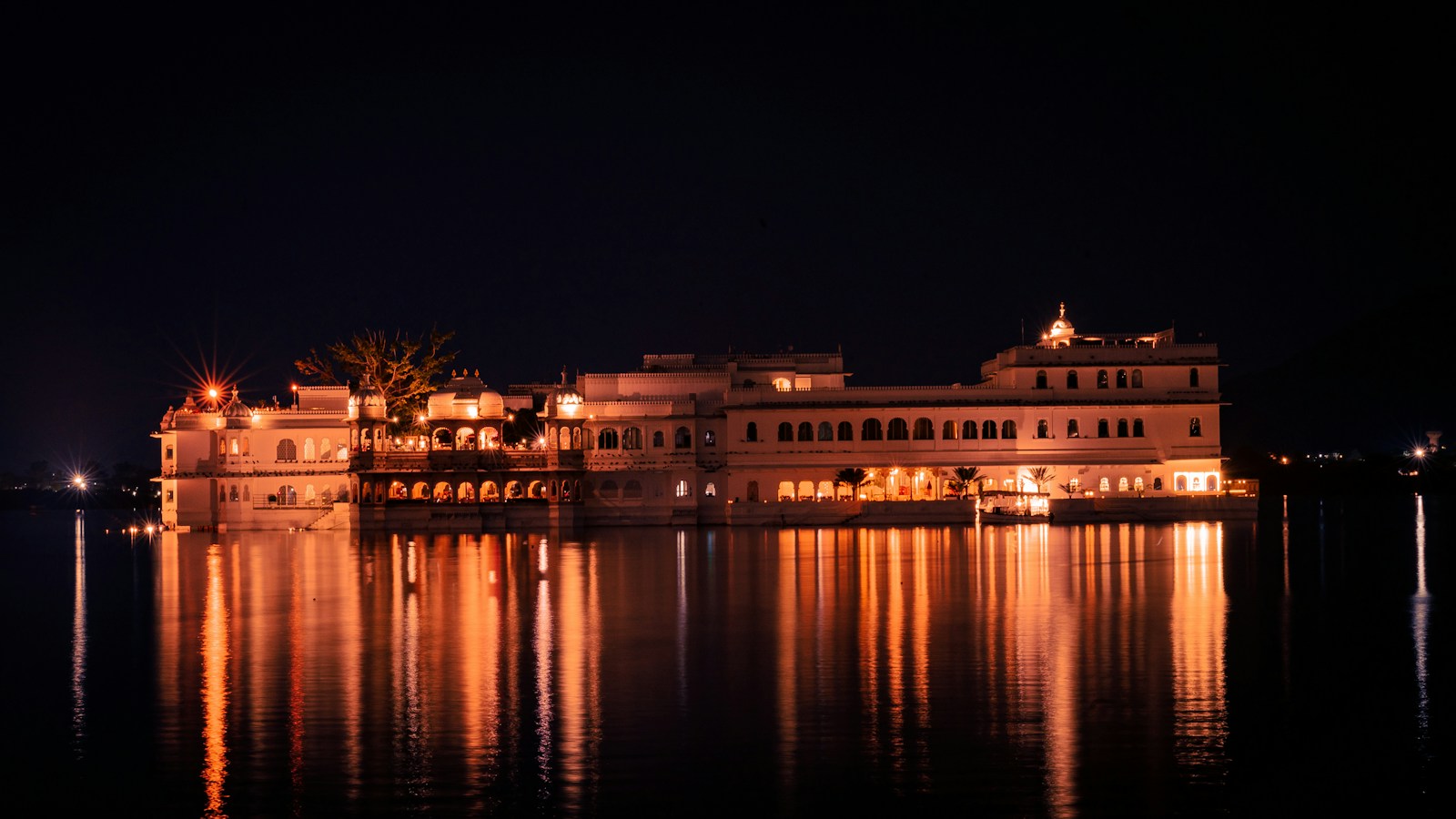



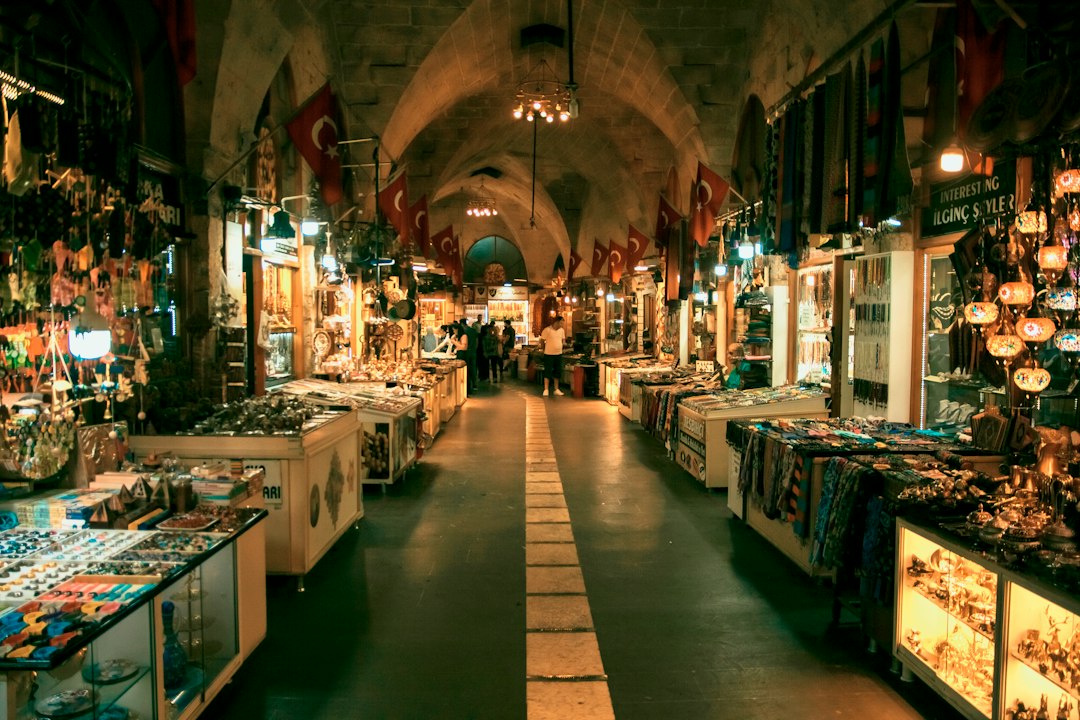
Markets in this piece
The three markets in this piece. Explore each market's ranking.


Open our list of wedding venues in Belgium and you will struggle to find a hotel brand founded abroad. Across the venues we reviewed in Belgium, England, France and Germany, fewer than 3 in every 100 carry a foreign-founded hotel name. Country houses, castles and estates fill those lists.
Open the UAE list and the picture flips. Of the venues we reviewed there, 72% carry a foreign-founded hotel name.
India and Turkey sit between those poles, and what makes them interesting is whose names they are. Some brands are Indian or Turkish companies with a home-market following. Some are global groups. Some are home-grown names with a foreign brand attached to their hotels.
Key takeaways
- The name is a brand, not an owner. A foreign name on a venue often sits on a locally owned hotel under a management or franchise deal, and an Indian-founded chain can carry a foreign brand. We count where the brand was founded, not who owns the building.
- India: of the 1,052 branded venues we could place, 622 carry home-grown names and 430 foreign-founded ones (59% home-grown). The state decides: all 27 branded venues in Odisha are home-grown, while Punjab runs 31 foreign-founded to 12.
- Turkey: two home-grown groups, Dedeman and Anemon, together reach 32 of the 49 provinces in our list. Istanbul leans foreign-founded (91 venues to 17), while Antalya leans home-grown (28 to 5).
- UAE: 72% of the venues we reviewed carry foreign-founded names (132 of 184), including 14 of the 16 on Palm Jumeirah.
- Europe: in Belgium, England, France and Germany, fewer than 3 in every 100 venues we reviewed carry a foreign-founded hotel name.
Visual 1
Foreign-founded hotel brand in the name
Share of the venues we reviewed in each market whose name carries a hotel brand founded in another country.
- Focus market
- Reference market
| Market | Foreign-founded share | Venues reviewed |
|---|---|---|
| Belgium | 0.7% | 283 |
| Germany | 0.6% | 310 |
| France | 1.8% | 330 |
| England | 2.1% | 517 |
| India | 26.4% | 1629 |
| Turkey | 48.1% | 360 |
| UAE | 71.7% | 184 |
Reference markets: only foreign-founded brands mapped
- Belgiumn = 2830.7%
- Germanyn = 3100.6%
- Francen = 3301.8%
- Englandn = 5172.1%
Focus markets
Indian = 1,62926%- Turkeyn = 36048%
- UAEn = 18472%
How we counted. A name on the door tells you which brand a venue carries, not who owns it. A brand is home-grown if it was founded in the same country as the venue, and foreign-foundedif it was founded elsewhere, whoever owns it today. Sarovar is Indian-founded although majority-owned by Louvre Hotels, a group owned by China's Jin Jiang, so it counts as home-grown in India. Taj is Indian-founded and operates abroad, so it is home-grown in India and foreign-founded in the UAE. Dedeman is Turkish and operates in six countries. Rixos, an Antalya-based group established in 2000, is home-grown in Turkey and foreign-founded in the UAE. We find brands from venue names alone. A hotel run by a chain without the chain in its name counts as "no brand in the name", which is not the same as independent, and branded shares are a floor. Four venues carry a brand whose founding country we could not confirm, and they count neither way. For Belgium, England, France and Germany, home-grown hotel groups exist but we did not map them as chains, so only the foreign-founded share is a fair comparison there. Every share here is a share of the venues we reviewed, not of the whole market.
India: mostly Indian names
India at a glance
Among India venues with a brand in the name, most carry an Indian-founded one.
| Venues reviewed | 1629 |
|---|---|
| Home-grown | 622 |
| Foreign-founded | 430 |
1,629
venues we reviewed in India
1,053 carry a hotel brand in the name; 576 have no brand in the name
38%
of all 1,629 venues we reviewed in India carry a home-grown brand
or 622 of the 1,052 branded venues we could place
26%
of all 1,629 venues we reviewed in India carry a foreign-founded brand
or 430 of the 1,052 branded venues we could place
All 1,629 venues we reviewed in Indiacounts shown
- India6224301576
- Home-grown brand622
- Foreign-founded brand430
- Brand we could not place1
- No brand in the name576
Branded means a hotel brand appears in the venue name. Home-grown = brand founded in the same country as the venue; foreign-founded = founded elsewhere, whoever owns it today. Two shares are shown: the headline figure is of all venues we reviewed; the smaller line is of branded venues we could place, which leaves out venues with no brand in the name and the 1 whose brand we could not place. Source: Top100 Wedding Venues, venues we reviewed; brands identified from venue names.
Of the 1,629 venues we reviewed in India, 1,053 carry a hotel brand in the name. Home-grown brands account for 622 and foreign-founded brands for 430. That classes 1,052 of the 1,053, and the other one carries a brand we could not place. A further 576 have no brand in the name. Among classed branded venues, 59% are home-grown.
The largest single brands are foreign. Marriott and Radisson have 79 venues each. Close behind come three Indian-founded names: Sarovar (68), Taj (66) and Royal Orchid, with its Regenta line (65). The Indian names are also well spread: Sarovar appears in 23 states and Taj in 22, against 22 for Marriott and 21 for Radisson. Count by group and the order shifts. Marriott International's brands together reach 163 venues, Radisson Hotel Group 87 and IHCL, the Tata hotel company behind Taj, 79.
Where you are in India changes the answer. In Odisha, all 27 branded venues we reviewed are home-grown. Mayfair (8), Swosti (4) and Pramod (3) lead, and Swosti Premium Beach Resorts in Puri shows the pattern. West Bengal runs 40 to 10 in favour of Indian brands, including Hotel Sonar Bangla in Mayapur from a regional chain. Rajasthan is 88 to 43 home-grown. Punjab goes the other way, with 31 foreign-founded venues to 12. Our India states ranking shows how each state compares.
Visual 2
Home-grown against foreign-founded brands, in four Indian states
Venues we reviewed with a hotel brand in the name whose origin we classified, by state. Home-grown count to the left, foreign-founded to the right. Sorted by home-grown minus foreign-founded.
| State | Home-grown | Foreign-founded | With origin classified |
|---|---|---|---|
| Rajasthan | 88 | 43 | 131 |
| West Bengal | 40 | 10 | 50 |
| Odisha | 27 | 0 | 27 |
| Punjab | 12 | 31 | 43 |
- Rajasthan131 with origin classified · home-grown +458843
- West Bengal50 with origin classified · home-grown +304010
- Odisha27 with origin classified · home-grown +27270
- Punjab43 with origin classified · foreign-founded +191231
Smaller places add detail, but the samples are too small to give rates, so read these as examples. Summit Grand Resort and Spa in Gangtok sits in a city where 10 of 11 branded venues are home-grown. Haridwar has 6 branded venues, all Indian-founded. Tirupati has four home-grown and one foreign among its branded venues, and Fortune Select Grand Ridge is one of the Indian-founded ones. Kochi reverses it, with 12 foreign-founded venues to one. In Ayodhya, both venues we reviewed are foreign-founded, including Park Inn by Radisson.
What the name tells you
The name tells you which brand or network the venue carries, not who owns or runs it day to day. A foreign name in India does not mean a foreign owner. As Mint reports, Wyndham manages and franchises hotels in India, working with local owners rather than investing in building assets. IHG has signed a management agreement with the hospitality arm of the Vrindara Group for a Holiday Inn in Mathura, expected to open in 2030. Hilton has agreed a franchise deal with Regenta, owned by Royal Orchid Hotels, that targets 125 Hampton hotels by 2035, so an Indian-founded chain can carry a foreign brand. Our list has 24 venues that carry "Series by Marriott" in their names, and every one of them is a Fern hotel. We count them under Marriott, as that is the name on the door. Fern venues without that suffix, 27 of them, count as home-grown. Skift reports that Marriott launched Series with an equity investment in Concept Hospitality, the company behind Fern, and calls it an unusual step.
Radisson Individuals lets independent hotels and regional chains join its network and keep their own identity. Classic Grande Imphal, "a member of Radisson Individuals", keeps its own name and sits inside the Radisson network.
We found no law requiring a local partner in India, Turkey or on the UAE mainland. The partnerships we see are management and franchise deals, and licences and property rules are separate matters we did not examine.
What the companies say about smaller cities
Several groups say outright that smaller cities and leisure towns are where they want to be. These are their statements, and we infer no reasons from our counts. Lemon Tree's annual report says it is expanding across religious and cultural destinations, including Rishikesh, Haridwar, Katra, Mukteshwar, Somnath, Tirupati and Dwarka. On the same page it writes: "Banquets, events and weddings form an important part of our non-room revenue mix, contributing up to 35% to 40% of total revenue at some of our larger hotels and leisure properties during peak periods" (Integrated Report 2025-26, page 21). Marriott calls spiritual tourism underserved and names Tirupati, Katra, Ayodhya and Vrindavan. Radisson says more than half its India portfolio sits in Tier II and III cities.
Some places have few brands in the name. In Patna, 25 of the 27 venues we reviewed have no hotel brand in the name, and the two that do are Taj and Lemon Tree Premier. In Guwahati, 20 of 23 have none. One of those, Hotel Vishwaratna, has no hotel group's name and ranks 88 in our India Top 100.
Turkey: networks built at home
Turkey at a glance
Foreign-founded names lead in Turkey, but two Turkish groups appear in 32 of the 49 provinces in our list.
| Venues reviewed | 360 |
|---|---|
| Home-grown | 124 |
| Foreign-founded | 173 |
360
venues we reviewed in Turkey
297 carry a hotel brand in the name; 63 have no brand in the name
34%
of all 360 venues we reviewed in Turkey carry a home-grown brand
or 124 of the 297 branded venues we could place
48%
of all 360 venues we reviewed in Turkey carry a foreign-founded brand
or 173 of the 297 branded venues we could place
All 360 venues we reviewed in Turkeycounts shown
- Turkey12417363
- Home-grown brand124
- Foreign-founded brand173
- No brand in the name63
Branded means a hotel brand appears in the venue name. Home-grown = brand founded in the same country as the venue; foreign-founded = founded elsewhere, whoever owns it today. Two shares are shown: the headline figure is of all venues we reviewed; the smaller line is of branded venues we could place, which leaves out venues with no brand in the name. Source: Top100 Wedding Venues, venues we reviewed; brands identified from venue names.
Turkey splits differently. Of the 360 venues we reviewed, 173 carry foreign-founded names and 124 home-grown ones, and 63 have no brand in the name.
Two Turkish groups stand out. Dedeman has 26 venues in 22 provinces and Anemon has 21 in 17, a combined 47 across 32 of the 49 provinces in our Turkey list. Dedeman says it runs more than 40 hotels in six countries, and its own pages give 45 and 47 at different points, so we use no single figure. Anemon says city hotel management is its main business and lists 22 cities. Anemon Kent İskenderunis one of the chain's Anatolian city hotels. In Aydın, all five branded venues are home-grown, and in Manisa all three.
Visual 4
Two Turkish groups, 32 of 49 provinces
Reach across the provinces in our Turkey list.
- Province with at least one venue
- None
| Group | Provinces with venues | Venues reviewed |
|---|---|---|
| Dedeman | 22 of 49 | 26 |
| Anemon | 17 of 49 | 21 |
| Together | 32 of 49 | 47 |
Each column is one province; filled = at least one venue we reviewed.
- Dedeman22 of 49 provinces26 venues we reviewed
- Anemon17 of 49 provinces21 venues we reviewed
- Together32 of 49 provinces47 venues we reviewed
Venues we reviewed: Dedeman 26, Anemon 21, together 47. Dedeman only 15 provinces · both groups 7 · Anemon only 10 · neither 17. The same column is the same province in all three rows; the 49 are the provinces that appear in our Turkey list.
Dedeman also appears as an operator under other names. Three venues in our list are marked "Managed by Dedeman": Rammos, Remida and Casa Giallo. We count them as Dedeman, and the listings do not say who owns them.
The coast reads differently. Istanbul has 91 foreign-founded venues against 17 home-grown. Antalya has 28 home-grown against 5 foreign-founded, three of the home-grown being Rixos hotels. Belek, the resort strip inside Antalya province, makes the point: of its 12 venues we reviewed, 10 are Turkish brands, including Gloria, Paloma, Regnum and Rixos. Two are foreign-founded, Kempinski Hotel The Dome and a Mercure.
Visual 3
Home-grown and foreign-founded names, by place
Stacked rows with counts for Istanbul, Antalya, Belek and Turkey overall.
- Home-grown brand
- Foreign-founded brand
- Brand we could not place
- No brand in the name
- Istanbulprovince · n = 121179113
- Antalyaprovince · n = 362853
- Belekresort strip inside Antalya province · n = 12102
- Turkey overallall venues we reviewed · n = 36012417363
In the southeast, foreign names run the other way. Gaziantep has five venues we reviewed, and three carry foreign-founded names, including Novotel Gaziantep. In Diyarbakır, all four venues we reviewed are foreign-founded.
The UAE: the brand is part of the destination
UAE at a glance
Foreign-founded names carry most of the UAE list; home-grown names are 15% of venues.
| Venues reviewed | 184 |
|---|---|
| Home-grown | 28 |
| Foreign-founded | 132 |
184
venues we reviewed in the UAE
163 carry a hotel brand in the name; 21 have no brand in the name
15%
of all 184 venues we reviewed in the UAE carry a home-grown brand
or 28 of the 160 branded venues we could place
72%
of all 184 venues we reviewed in the UAE carry a foreign-founded brand
or 132 of the 160 branded venues we could place
All 184 venues we reviewed in the UAEcounts shown
- the UAE28132321
- Home-grown brand28
- Foreign-founded brand132
- Brand we could not place3
- No brand in the name21
Branded means a hotel brand appears in the venue name. Home-grown = brand founded in the same country as the venue; foreign-founded = founded elsewhere, whoever owns it today. Two shares are shown: the headline figure is of all venues we reviewed; the smaller line is of branded venues we could place, which leaves out venues with no brand in the name and the 3 whose brand we could not place. Source: Top100 Wedding Venues, venues we reviewed; brands identified from venue names.
The UAE list is the most foreign-founded of the three. Of 184 venues we reviewed, 132 carry foreign-founded names, 28 home-grown names and 21 have no brand in the name. Three sit unclassified. In Dubai, 77 venues are foreign-founded and 17 home-grown. On Palm Jumeirah, all 16 venues we reviewed carry a brand, and 14 of them are foreign-founded.
Atlantis, The Palm shows why the name and the owner can differ. In 2012 Kerzner sold its stake in the resort to Istithmar World, a Dubai World unit, and kept running it and the brand. We have not confirmed who owns it today.
Ras Al Khaimah offers another case. All 12 venues we reviewed there carry a brand, and 11 are foreign-founded. Al Marjan Island is master-developed by Marjan, which says it partners with leading international brands, and individual projects there come from UAE and international developers. All five venues we reviewed on the island are foreign-founded, Rixos Bab Al Bahr among them. The emirate's tourism strategy targets 3.5 million visitors a year by 2030. Wynn Al Marjan Island is planned and yet to open. Gulf News reports a September 2027 opening, and Wynn holds 40% of the joint venture. In places built this way, the hotel brand is part of the plan for the destination.
Fujairah is a different mix. Its venues split four foreign-founded to three home-grown, with Fujairah Rotanaamong the UAE-founded names. Rotana calls itself a homegrown brand, and Fujairah's tourism initiatives promote adventure and cultural attractions. Home-grown names account for 15% of the UAE list. Rotana has the most venues of any single brand in the country, with 8. Others include Jumeirah and the Address, Vida and Palace brands, which Emaar, a property developer, runs through Emaar Hospitality.
Visual 5
Brand origin in each UAE emirate
Stacked rows sorted by the number of venues we reviewed in each emirate.
- Home-grown brand
- Foreign-founded brand
- Brand we could not place
- No brand in the name
| Dubai | 17 | 77 | 0 | 9 |
|---|---|---|---|---|
| Abu Dhabi | 5 | 34 | 1 | 8 |
| Ras Al Khaimah | 1 | 11 | 0 | 0 |
| Sharjah | 1 | 3 | 1 | 2 |
| Fujairah | 3 | 4 | 0 | 0 |
| Ajman | 0 | 3 | 1 | 1 |
| Umm Al Quwain | 1 | 0 | 0 | 1 |
- Dubain = 10317779
- Abu Dhabin = 4853418
- Ras Al Khaimahn = 12111
- Sharjahn = 71312
- Fujairahn = 734
- Ajmann = 5311
- Umm Al Quwainn = 211
What the brands bring
Three differences show up, each with a caution.
The first is scale, with a caveat about the data. Many venues record no room count, so these are medians among only the venues that do, and they may not be representative. In India the foreign-founded median is 115 rooms, from the 58 of 430 foreign-founded venues with a count. Home-grown venues have a median of 67 (137 of 622 with a count) and venues with no brand in the name 43.5 (104 of 576). In Turkey the medians are 194 for foreign-founded venues (92 of 173) and 174 for home-grown ones (45 of 124). Read the gaps as hints, not findings.
The second is how events run. Our dataset records whether a venue can run a wedding across more than one space, as opposed to a single room that has to be reset between stages. In India, 80% of foreign-founded venues are recorded as multi-space, against 71% of venues with no brand in the name and 60% of home-grown brand venues.
The third is people. In Turkey, 39% of foreign-founded venues we reviewed record a dedicated wedding coordinator or planner, against 15% of home-grown brand venues and 14% of those with no brand in the name. The Ritz-Carlton Abu Dhabi Grand Canal, ranked 55 in our UAE Top 100, and Park Inn by Radisson Ayodhya are two of the venues that record one.
Two cautions apply. First, we cannot separate a brand effect from a property-type effect. Foreign-founded venues are often large hotels and home-grown brands often include smaller properties, so the gap may reflect size and style as much as the name. Second, "coordinator on record" means the venue says it has one. Whether that coordinator is free on your date, or any good, is for you to check.
The comparison also cuts both ways. Zinos Hotel in Sinop, which also has no hotel group's name, ranks 89 in our Turkey Top 100, and Hotel Vishwaratna ranks 88 in India. The brand is a clue, not a prediction of how good the wedding will be.
What we can't see
We identify brands from venue names. A chain-run hotel without the chain in its name counts as having no brand in the name, so every branded share is a minimum. Four venues in India and the UAE sit apart, counted neither way.
The home-grown and foreign-founded split is a judgement about where a brand began. Count Sarovar and Sterling by present ownership and about 100 India venues move across, giving 518 home-grown to 534 foreign, again with the one unclassified venue left out. We chose founding country to describe the brand a couple sees. A reader who wants ownership will get a different answer.
We cannot see who owns the building, who signed the management contract, or how much of any market runs on those deals. And everything here describes venues we reviewed, which is a sample of each market and not the market itself.