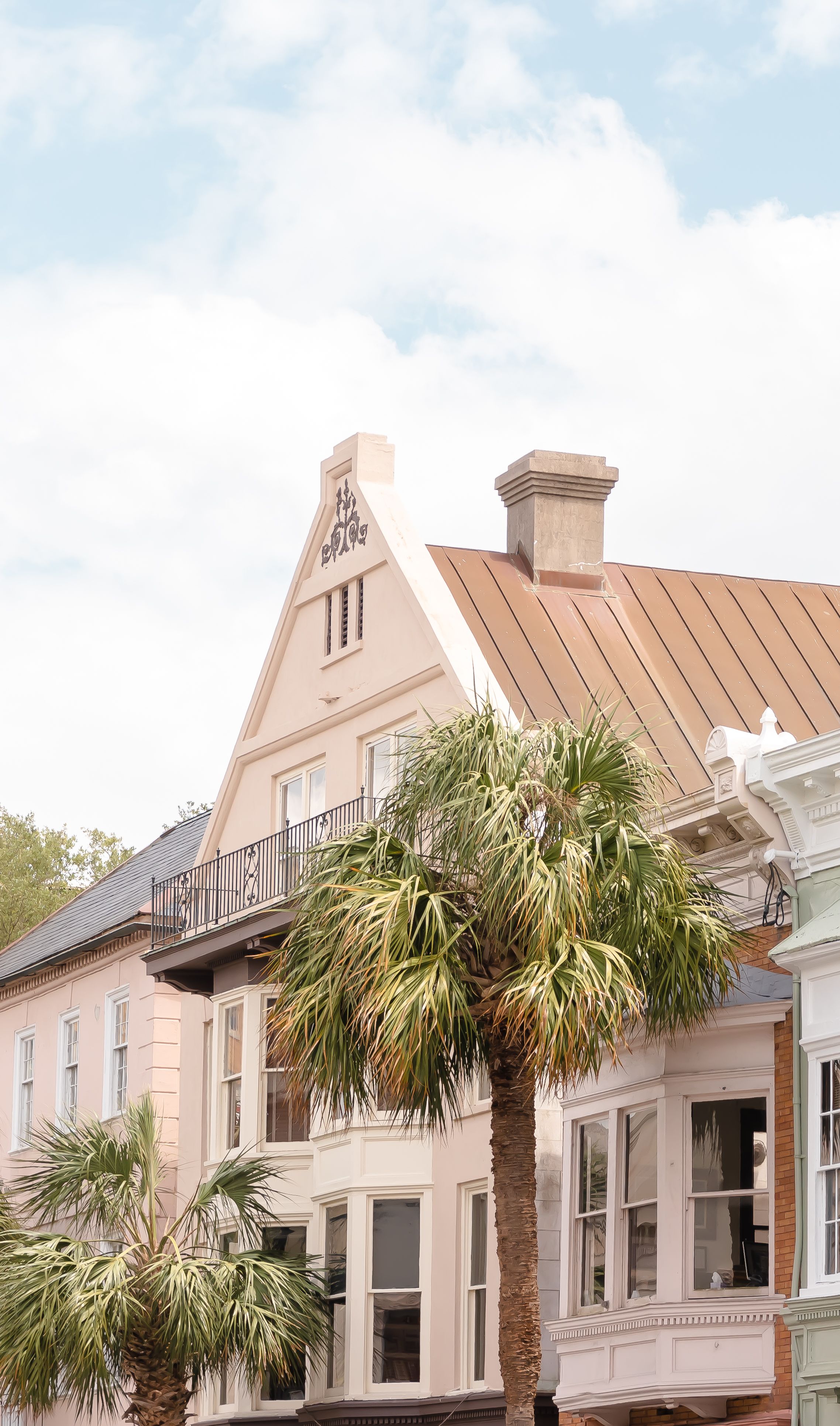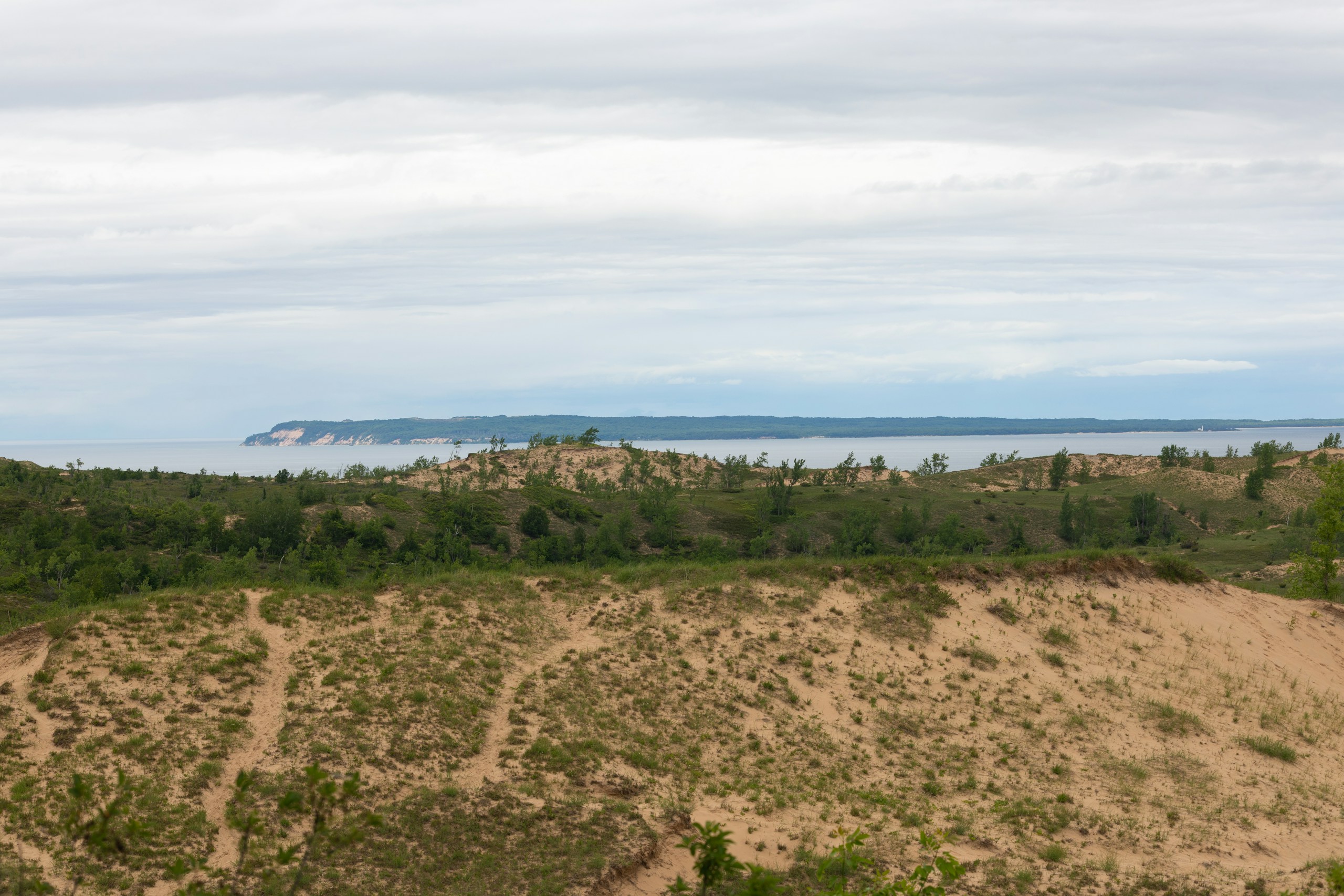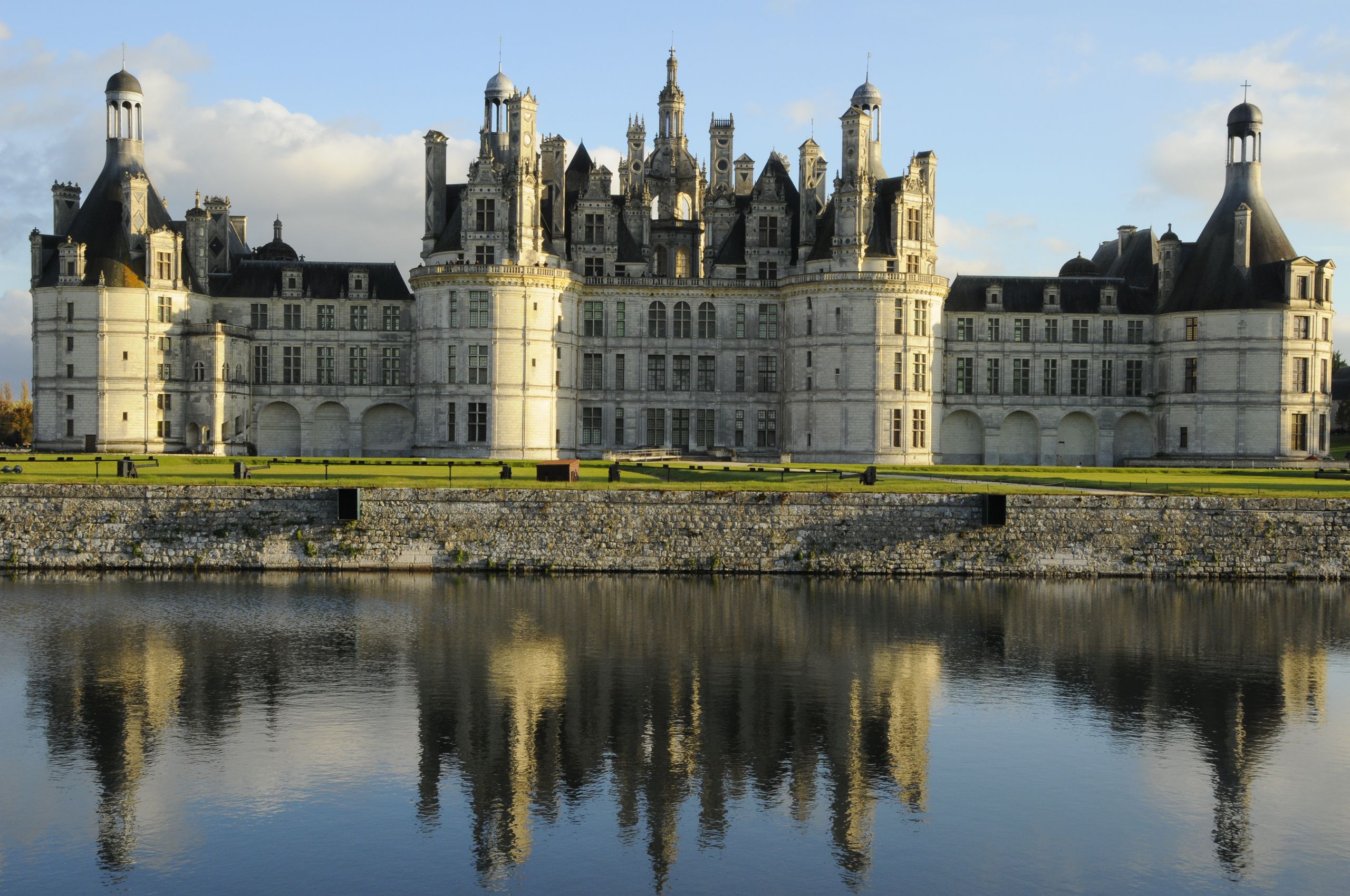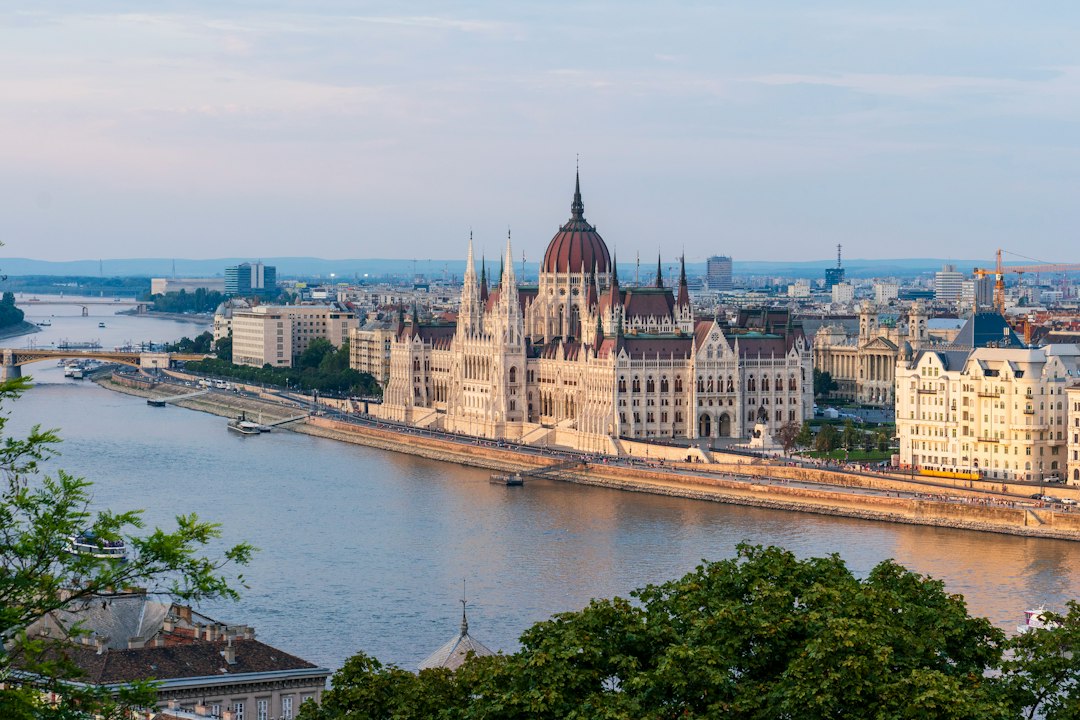

Markets in this piece
Where we have a yes or no, the share of venues that have rooms on site in our data. Explore each market’s ranking. Based on 1,194 venues we reviewed, of which 652 have a yes or no.


Pricing before you enquire
Ask a Danish wedding venue what it costs, and the answer is often already on its website. Ask a Belgian one, and you’ll usually be invited to call. Same corner of Europe, same short summer season, two very different ways of selling a wedding. That split is the first of several.
We reviewed 1,194 venues across Sweden, Denmark, Norway, Finland, Iceland, Belgium and the Netherlands. Just over a quarter of them, 307, publish a price couples can work with. Denmark leads by a distance at 54.2%, Belgium sits at 10.3%, and the Netherlands lands in between at 21.4%. The gap says less about what a wedding costs than about how each market sells one.
Danish venues lean on per-guest packages, and a package is easy to put on a page. Belgium’s grand houses price each wedding around a date, a guest list and a set of rooms, so the conversation starts with an enquiry. Neither approach is better for couples, but each sets a different first step. Once you know the price, the next question is whether the wedding can stay the night.
Belgium Wants a Call
Denmark often puts the price on the page. Belgium usually asks you to call.
Meaningful public rates or a worked package total, among all venues we reviewed in each market.
- Denmark77 of 14254.2%
- Sweden58 of 18231.9%
- Finland61 of 19331.6%
- Norway25 of 11421.9%
- Netherlands46 of 21521.4%
- Iceland11 of 6616.7%
- Belgium29 of 28210.3%
- Seven markets307 of 119425.7%
If you are browsing by budget, Denmark also has a list of wedding venues under $20,000. That list uses a separate US-dollar threshold, not the spend levels in this article. Skrøbelev Gods and Sørup Herregaard both publish rates, which is typical of the Danish pattern. The comparative spend figures below are a different measure: our estimate of venue-controlled spend for a typical wedding of about 100 guests, not a published tariff.
Pavis in Pietarsaari, Home Hotel Katajanokka in Helsinki and Helsinki Congress Paasitorni all sit in the lower spend levels.
Belgium Wants a Call
Most of the seven sit in the middle bands. Finland supplies the largest share of the lower ones.
Venue-controlled spend for a typical wedding of about 100 guests, among 1,194 venues we reviewed in the seven markets and 5,531 priced venues elsewhere in Europe. Shown in three bands: levels 1 to 4, 5 to 7 and 8 to 10; only 1 venue among the seven sits in levels 11 to 14.
- under $5k to $16k
- $16k to $39k
- $39k to $115k
| Group | under $5k to $16k | $16k to $39k | $39k to $115k |
|---|---|---|---|
| Seven markets | 34.3% | 63.1% | 2.4% |
| Rest of Europe | 45.6% | 46.7% | 7.1% |
- Seven markets34.3%63.1%
- Rest of Europe45.6%46.7%7.1%
Staying on site
A published package or a quote still leaves the weekend to plan. Where we have a yes or no, rooms on site are the usual pattern in every market, including Belgium, at 105 of 106 venues, or 99.1%. Next door, the Netherlands is 63 of 68 (92.6%). Finland and Iceland record rooms at every such venue, 96 of 96 and 36 of 36, and Norway and Sweden are close behind, at 87 of 91 and 107 of 115.
Denmark is the lowest of the seven on that measure, at 118 of 140, or 84.3%. Among all 1,194 venues we reviewed, 612 have rooms on site (51.3%): 444 of 697 in the Nordic markets (63.7%) and 168 of 497 in Belgium and the Netherlands (33.8%). Rooms are the usual pattern wherever we have a yes or no. The Nordic-Benelux gap as a share of every venue on the list is mostly a difference in how often that answer is on record. For a wider look at rooms and weekends, see Rooms or the Whole Weekend?.
Belgium Wants a Call
Almost every venue with a recorded answer has rooms on site.
Share among venues with a recorded yes or no on rooms on site. Denmark is the lowest of the seven.
Finland
100.0%
96 of 96 with a known answer
Iceland
100.0%
36 of 36 with a known answer
Belgium
99.1%
105 of 106 with a known answer
Norway
95.6%
87 of 91 with a known answer
Sweden
93.0%
107 of 115 with a known answer
Netherlands
92.6%
63 of 68 with a known answer
Denmark
84.3%
118 of 140 with a known answer
Having rooms on site is one thing; putting up the whole wedding party is another. Lejondals Slott has 101 rooms and Sørup Herregaard has 102, enough for guests to stay on the property. Kohlswa Herrgård has 42, Stammershalle Badehotel in Gudhjem has 37, and in South Iceland Hotel Rangá has 51 and The Hill Hotel has 36. Hvammsvík, on the Icelandic estate list, has 19 rooms and a reception capacity of 150.
Some houses have only a handful of bedrooms, even when the reception room is large. Château Bayard, which we recorded as available for whole-house hire, has five rooms and a reception capacity of 220. Manoir de Lébioles has 16 rooms. Kasteel Kerckebosch has 14, and De Bronckhorst Hoeve has 12. A house with a handful of bedrooms can put up only a few guests from a reception of 200; the rest will need hotels nearby, which is one reason the next figure, seated capacity, is a separate question from the room count.
Among the venues we reviewed, the median seated capacity is 150 guests. Belgium sits highest, at 160. Denmark is at 150, Finland at 140 and Norway at 135. Sweden, Iceland and the Netherlands share the lowest median, at 130. The markets are closer together on reception size than they are on published prices. Kasteel van Brasschaat in Antwerp states a capacity of 300, and La Butte aux Bois in Limburg a capacity of 250, while Château du Saulchoy in Hainaut states 80. Those houses sit on lists that mix hotels and estates, and that mix is the next place the seven countries come apart.
Belgium Wants a Call
The Dutch list is the most hotel-heavy. Belgium has the largest median reception.
Median seated capacity and share of venues listed as hotels, among the venues we reviewed.
Median seated capacity
- Belgium160
- Denmark150
- Finland140
- Norway135
- Sweden130
- Iceland130
- Netherlands130
Share recorded as hotels
- Netherlands51.6%
- Belgium38.7%
- Norway36.8%
- Sweden29.1%
- Denmark25.4%
- Iceland21.2%
- Finland16.1%
- Seven markets35.3%
Houses and hotels
A hotel-led list and a house-led list offer rooms in different ways. Of the 1,194 venues we reviewed, 35.3% are hotels. Belgium, at 38.7%, sits close to that seven-market figure. Next door, the Netherlands is the most hotel-heavy list of the seven, at 51.6%, yet its median reception size is among the smallest, at 130, so a hotel-heavy list does not mean bigger wedding rooms. Finland has the lowest hotel share, at 16.1%.
Norway, at 36.8%, also sits close to the seven-market figure. Sweden is 29.1%, Denmark 25.4% and Iceland 21.2%. Those are counts of venues recorded as hotels, not a census of every house or castle on the lists. The houses themselves are easy to see once you start browsing, and they are a large part of why these markets still feel like a search among estates as well as hotels.
In Sweden, Lejondals Slott sits alongside Görvälns Slott, Rånäs Slott, Fredensborgs Herrgård in Kalmar County and Kohlswa Herrgård in Västmanland. Denmark’s list includes houses such as Skrøbelev Gods, Sørup Herregaard and Trudsholm Gods in Region Zealand. Belgium is rich in castle venues, among them Château Bayard and Château du Saulchoy, with houses such as Manoir de Lébioles near Spa.
In the Netherlands, Kasteel Kerckebosch in Utrecht, Slot Zeist and De Bronckhorst Hoeve give a sense of the range, even on the most hotel-heavy list. Iceland’s estate list includes Hvammsvík. Hotels such as Kleivstua Hotel and Straand Hotel, both among the wedding venues in Telemark, sit on the Norwegian list, which is close to the seven-market share. The type of place you are booking also changes what the booking itself usually covers.
Whole-property hire
A slott, a château and a hotel can all host a wedding, and still mean different things when you ask whether the house is yours for the day. We recorded exclusive use of the whole venue or estate, including multi-day hire, at 213 of the 1,194 venues we reviewed, or 17.8%. Belgium, at 48 of 282, sits close to that seven-market share, and next door the Netherlands records whole-house hire at 45 of 215. Sweden is the market that stands apart.
In Sweden, 55 of 182 venues record whole-house hire, including Lejondals, Görvälns and Rånäs, and Fredensborgs Herrgård. That is the highest share of the seven on this exclusive-use measure, so a Swedish shortlist is the one on which you will most often find a house that takes the whole wedding. Sweden’s slott and herrgård stock explains that lead, even though hotels are 29.1% of the list.
Denmark records whole-house hire at 18 of 142 venues. One of them is Skrøbelev Gods on Langeland. For 95 of the Danish venues we reviewed, what is recorded is a wedding space within a larger operation. Norway records whole-house hire at 17 of 114 venues. Finland (22 of 193) and Iceland (8 of 66) sit closer to Denmark than to Sweden.
Belgium records a wedding space within a larger operation at 225 of 282, close to the Dutch figure of 162 of 215. Hotel-led and shared-estate lists host the wedding without handing over the whole property. For a wider view of these arrangements, see Exclusive Use. First-party pages report hire more often, and that is a different measure from the exclusive-use counts above.
First-party venue pages in the November 2026 venue review describe whole-property hire as available, among venues with a recorded answer, at 73.4% in the Netherlands, 73.1% in Belgium, 67.4% in Sweden, 62.7% in Finland, 54.9% in Denmark and 48.2% in Norway. Iceland is left off that chart because the figure rests on one venue. The practical question is the same in every market: ask whether the booking covers the whole property, and whether another event will be on the property the same day.
Belgium Wants a Call
The Netherlands and Belgium lead on whole-property hire. Norway is lowest.
Share of venues that hire out the whole property themselves, among those with a recorded answer. Iceland is not shown (one venue).
- Netherlands73.4%
- Belgium73.1%
- Sweden67.4%
- Finland62.7%
- Denmark54.9%
- Norway48.2%
Look beyond the capitals
If you start your search in the capital, you will miss most of what is on these lists. Only in Iceland do the lists cluster on the capital. The capital areas also differ: Stockholm County, Denmark’s Capital Region, Brussels-Capital and Amsterdam city are different kinds of unit.
In Iceland, a majority of the list sits in the Capital Region. For a wedding away from Reykjavík, look at South Iceland, where Hotel Rangá and The Hill Hotel both sit. Finland’s Uusimaa region, which includes Helsinki, Hotel St. George and the Katajanokka hotel, is only part of the list. The rest of the country is the larger part of the browse: Star Arctic Hotel in Lapland, Hotel Nestor in Southwest Finland, Radisson Blu Hotel, Oulu, and the venues in Pirkanmaa.
Sweden’s wider browse takes in Västra Götaland, where Knistad Herrgård is one of the houses on the list, and counties such as Västmanland and Kalmar. Denmark’s Capital Region is similarly only part of the Danish list. Oslo is a starting point; the Norwegian regions and pages such as the wedding venues in Telemark are the better place to begin a geographic search.
In Belgium, the list lives in the provinces: Kasteel van Brasschaat in Antwerp, Château du Saulchoy in Hainaut, Manoir de Lébioles near Spa. In the Netherlands, Amsterdam is only part of the list. Utrecht province includes Slot Zeist and Kasteel Kerckebosch, with other kastelen such as Kasteel Ophemert in Gelderland and Kasteel Erenstein in Limburg. Geography is one map of these markets. The calendar is another.
When people marry
A summer date means different things across these countries. In Sweden and Finland, the official counts point clearly to June, July and August. Official statistics offices recorded 46,431 marriages in Sweden in 2025 (SCB) and 22,082 in Finland (Statistics Finland). In both countries, about 42% of those marriages took place in June, July or August, and August was the most popular month.
Those monthly figures make June, July and August the main marriage season in Sweden and Finland. In Sweden, June accounted for 6,352 marriages, July 5,715 and August 7,398, a June to August total of 19,465, or about 41.9% of the published annual figure. In Finland, June accounted for 2,660, July 3,041 and August 3,506, a combined 9,207, or 41.7% of 22,082, which Statistics Finland rounds to 42%. Those two official series describe Sweden and Finland only, not Denmark, Norway, Iceland, Belgium or the Netherlands.
The other official annual totals for 2025 are 32,624 in Denmark (Statistics Denmark), 21,574 in Norway (SSB), 47,104 in Belgium (Statbel) and 70,141 in the Netherlands (CBS). These are not a count of weddings held at venues, and the definitions differ. Denmark counts marriages involving at least one spouse resident in Denmark, which is not a tally of ceremonies held on Danish soil.
Belgium counts marriages involving at least one Belgian resident, including some ceremonies held abroad: 91.3% of the 2025 total were celebrated in Belgium and 8.7% abroad. The Dutch total likewise involves at least one person in the population register: 61,871 of those ceremonies were solemnised in the Netherlands and 8,270 abroad. A busy summer month, wherever you marry, still leaves a practical question about the ceremony itself: whether the house can take the vows indoors if the weather turns.
Belgium Wants a Call
August is the busiest month in both Sweden and Finland.
National statistics offices; not a count of weddings at venues on our lists.
- Sweden
- Finland
- Junesweden6,352finland2,660
- Julysweden5,715finland3,041
- Augustsweden7,398finland3,506
Indoor and outdoor ceremonies
Most first-party pages in the November 2026 venue review record both an indoor and an outdoor ceremony option. That is the pattern at 266 of 283 venues in Belgium, 167 of 181 in Sweden, 195 of 218 in the Netherlands, 100 of 114 in Norway, 120 of 140 in Denmark and 148 of 193 in Finland. Iceland is the exception: 34 of 66 venues are indoor only, and 32 offer both. No venue in the review is recorded as outdoor only.
A country where summer is the main marriage season still has to plan for cover. Iceland’s indoor-only share is the clear exception, on a smaller list. A recorded ceremony setting at the house is not authority to solemnise a legal marriage there. That question is taken up next.
Belgium Wants a Call
Most markets offer indoor and outdoor ceremonies. Iceland is the exception.
Indoor and outdoor versus indoor only, among venues we reviewed with a recorded ceremony setting. No outdoor-only venues recorded.
- Indoor and outdoor
- Indoor only
| Group | Indoor and outdoor | Indoor only |
|---|---|---|
| Iceland | 48.5% | 51.5% |
| Finland | 76.7% | 23.3% |
| Denmark | 85.7% | 14.3% |
| Norway | 87.7% | 12.3% |
| Netherlands | 89.4% | 10.6% |
| Sweden | 92.3% | 7.7% |
| Belgium | 94.0% | 6.0% |
- Iceland48.5%51.5%
- Finland76.7%23.3%
- Denmark85.7%14.3%
- Norway87.7%12.3%
- Netherlands89.4%10.6%
- Sweden92.3%7.7%
- Belgium94.0%6.0%
The legal ceremony and the celebration
A legal civil marriage requires the authorised official, the requisite eligibility documents and a legally permissible ceremony location. A venue offering wedding receptions, celebrants or symbolic ceremonies does not by itself have authority to solemnise a legal marriage there. In several of these countries, the party and the legal ceremony are planned as related but separate bookings.
Two questions matter more than the rest. First, can you legally marry in that country as a visiting couple? Second, can an official solemnise the marriage at the house you have booked?
The official rules differ from country to country, and in Belgium and the Netherlands the connection to the country is stricter than in Norway. What follows is a starting point from official government guidance, not legal advice. Confirm the current rules with the relevant authority and officiant, as well as with the venue.
Sweden. Two non-resident foreign nationals may marry, subject to conditions. Neither Swedish nationality nor domicile is required across the board, but couples must undergo a Swedish examination of impediments to marriage. The application typically calls for identification and evidence of age, citizenship and marital status, and, as applicable, evidence that the couple may marry under the law of their citizenship or domicile. An authorised civil marriage officiant performs the ceremony, and the location may be arranged with the officiant rather than necessarily being a town hall. A particular wedding venue is not automatically authorised (Swedish Tax Agency, getting married in Sweden or abroad; Before your wedding; civil officiants).
Denmark. Marriage is allowed conditionally for couples from outside the country, subject to lawful presence and an assessment of legal capacity to marry. Different administrative paths apply depending on nationality and residence. Couples need a Certificate of Marital Status, the prøvelsesattest; the supporting documents depend on nationality. The civil ceremony is usually held at the municipality or town hall, with other sites possible by municipal arrangement and officiant consent. Do not assume that a licensed reception house is automatically a civil ceremony site. Practice varies by municipality (Agency of Family Law, international marriages; Gentofte Municipality).
Norway. This is a useful contrast, especially if you have just read the Dutch rule below. The Directorate of Immigration states that two foreign citizens may marry in Norway without Norwegian citizenship or residence permits, provided both are staying legally. They must obtain a Norwegian certificate of no impediment, the prøvingsattest, which is valid for four months, supported as applicable by identity documents, evidence of legal stay and marital-status records from abroad. A qualified municipal civil officiant is required. A reception booking is not a civil ceremony appointment; check the ceremony arrangements with the chosen municipality (UDI, getting married in Norway; Norwegian Tax Administration).
Finland. A couple with foreign citizenship may marry once their foreign personal-status evidence is accepted and the Finnish examination of impediments is completed. The impediments certificate is valid for four months. The civil ceremony can take place at a Local Register Office or at a different location by arrangement with an authorised officiant. An off-site civil ceremony is chargeable, and travel expenses may apply. Venue reception services alone are not a legal marriage ceremony (Suomi.fi, who can marry each other?; Marriage ceremony and registration).
Belgium. The connection to the country is stricter. A couple cannot marry if neither partner is Belgian and neither has lived in Belgium for more than three months. They may qualify if at least one is Belgian, or if at least one has lived in Belgium for more than three months, with proof. The couple must make a declaration of intended marriage; the ceremony may take place at least 14 days after that declaration and must occur within six months of it. The legal civil ceremony takes place in the municipality where the declaration was made, in the presence of its mayor or responsible alderman. The national guidance does not establish that any private castle or estate may be the legal civil ceremony site (Belgium.be, legal requirements; Belgium.be, formalities). A celebration at a house such as Château Bayard or Manoir de Lébioles is a separate booking from the civil marriage.
The Netherlands. If both of you live outside the country and neither of you is Dutch, you cannot marry there. A couple living abroad may marry in the Netherlands when at least one partner is Dutch, subject to the other conditions. You must notify the chosen municipality at least two weeks before the wedding; a municipality may set longer practical planning deadlines. The civil ceremony can be held at a town hall or at a municipally designated trouwlocatie. Private locations may receive a temporary designation, but not every venue is automatically approved, and rules vary by municipality. Amsterdam, as a documented municipal example and not a nationwide rule, offers designations for one day or for five years, with an application at least four months before the ceremony. That four-month site-designation timeline is separate from the national two-week notice (government.nl, marriage to a foreign national; marriage requirements; City of Amsterdam, trouwlocatie).
If you want the legal marriage and the party on the same day and at the same house, ask both the venue and the official whether that is possible in that municipality, and build in the document and notice timelines above where the official page states them. The date you ask for will also run into public holidays, local traditions and the ordinary chance of rain.
Belgium Wants a Call
Two non-residents can marry in the Nordics. In Belgium and the Netherlands they usually cannot.
Starting points from official government guidance checked in 2026; not legal advice.
| Market | Two non-resident foreign nationals | Where the civil ceremony can be held | Notice / documents |
|---|---|---|---|
| Sweden | Allowed with conditions (examination of impediments; not unconditional) | With authorised civil officiant; not necessarily a town hall | As stated on official guidance (not a single statutory notice in all cases) |
| Denmark | Conditional (lawful presence; capacity assessment) | Usually municipality or town hall; other sites by arrangement | Certificate of Marital Status (prøvelsesattest); varies by nationality |
| Norway | Allowed if both legally staying in Norway | Municipal civil officiant; not automatic at a reception venue | Norwegian certificate of no impediment (four months) |
| Finland | Allowed when foreign-status evidence accepted | Local Register Office or other site by arrangement | Impediments certificate valid four months |
| Belgium | Stricter link to Belgium required | Municipality where declaration made; not any private castle by default | Declaration of intended marriage; 14-day minimum before ceremony |
| Netherlands | Both abroad and neither Dutch: cannot marry there | Town hall or municipally designated trouwlocatie | At least two weeks’ notice; municipal designation timelines vary |
Planning the summer dates
Which dates should you actually ask about? In 2027, the Swedish and Finnish Midsummer weekend is Friday 25 and Saturday 26 June. Midsummer’s Eve is the Friday; Midsummer Day, a statutory public holiday in both countries, is the Saturday, which in Finland is also the Day of the Finnish Flag (Lag (1989:253); Visit Sweden; University of Helsinki Almanac Office). In Denmark, Sankt Hans Aften, St John’s Eve, is Wednesday 23 June 2027, traditionally marked with bonfires; it is not a nationwide public holiday (VisitDenmark). These are different kinds of date, and the seven markets have no shared Midsummer holiday.
Belgium’s statutory summer date is National Day, Wednesday 21 July 2027 (Belgian Federal Public Service Employment). The Netherlands has no single statutory Midsummer holiday; official summer school holidays in 2027 run from 10 July to 22 August in the North, 17 July to 29 August in the Central region, and 24 July to 5 September in the South. Those school holidays are not nationwide wedding-venue closure dates (Dutch Ministry of Education). A date that matters in one country is an ordinary Saturday in another.
Official 1991–2020 climate normals at named stations give you a prompt to plan an indoor ceremony and reception as well as an outdoor one. They are examples from those stations, not a seven-capital climate table, and a reading at Schiphol does not describe every Dutch estate. At Uccle, in Brussels, the monthly mean air temperature is 16.7°C in June, 18.7°C in July and 18.4°C in August. Uccle records 14.1, 14.3 and 14.3 days with at least 0.1 mm of precipitation in those months, or 10.2, 10.4 and 10.3 days if the threshold is at least 1 mm (Royal Meteorological Institute of Belgium).
At Schiphol, the Amsterdam-area airport station rather than the city centre, the monthly mean is 16.0°C in June, 18.1°C in July and 18.0°C in August. The same KNMI table gives 13.3, 15.0 and 15.5 days with at least 0.1 mm of precipitation, or 9.7, 10.9 and 11.6 days at a threshold of at least 1 mm (KNMI). For Stockholm, SMHI publishes average daily highs of 20.5°C, 23.5°C and 22.0°C in June, July and August, and average nightly lows of 11.6°C, 14.7°C and 14.1°C. Those are not monthly mean temperatures (SMHI).
A wet-weather fallback is recorded at 94.0% of venues in Belgium, 92.3% in Sweden, 89.4% in the Netherlands, 87.7% in Norway, 85.7% in Denmark and 76.7% in Finland. Iceland is the exception, at 48.5%. Almost every venue in the first-party venue review is described as available year-round, so the planning question is cover for rain.
Belgium Wants a Call
Cover for rain is usual, except in Iceland.
Share of venues whose own pages describe indoor cover if the weather turns.
- Belgium94.0%
- Sweden92.3%
- Netherlands89.4%
- Norway87.7%
- Denmark85.7%
- Finland76.7%
- Iceland48.5%
Belgium Wants a Call
Midsummer, National Day and school holidays are not the same kind of date.
Public holidays, marriage statistics and selected climate normals from official sources.
- Midsummer (Sweden and Finland)Friday 25 and Saturday 26 June 2027; Midsummer Day a public holiday in both
- Sankt Hans (Denmark)Wednesday 23 June 2027; tradition, not a nationwide public holiday
- Belgian National DayWednesday 21 July 2027
- Dutch school holidays 2027North 10 July to 22 August; Central 17 July to 29 August; South 24 July to 5 September
- Official marriages 2025Sweden 46,431; Finland 22,082; Denmark 32,624; Norway 21,574; Belgium 47,104; Netherlands 70,141
- June to August share (Sweden and Finland)About 42% of annual marriages in both countries; August most popular
- Uccle (Brussels) summer mean air temperatureJune 16.7°C, July 18.7°C, August 18.4°C
- Uccle precipitation days (≥0.1 mm)June 14.1, July 14.3, August 14.3
- Schiphol summer mean air temperatureJune 16.0°C, July 18.1°C, August 18.0°C
- Schiphol precipitation days (≥0.1 mm)June 13.3, July 15.0, August 15.5
When you come to shortlist, four questions will do most of the work. How much of the price can you see before you enquire, and how does that sit against our estimated comparative spend? How many of your guests can actually sleep on site, and which hotels are nearby for the rest?
Does the booking cover the whole property, or is it a wedding space within a larger operation? And can you legally marry in that country, and can the official solemnise the ceremony at that particular address? The seven market rankings at the top of this piece are the place to start that search, or begin from Find. For rooms, hire and published prices more widely, see Rooms or the Whole Weekend?, Exclusive Use and Do wedding venues publish their prices?.
- How we rank
- Exclusive Use
- Do wedding venues publish their prices?
- A Wedding Space, Not the Whole Place (Central and Eastern Europe)
- Rooms or the Whole Weekend?
- Browse the seven rankings from the Markets list above, or start from Find