


Markets in this piece
Venues in our research in each market. Explore each market's ranking.
1,696
Based on 1,696 venues in our research
979
Based on 979 venues in our research
351
Based on 351 venues in our research
330
Based on 330 venues in our research
240
Based on 240 venues in our research


The wedding has outgrown the wedding day. “With nearly 1 in 3 weddings already spanning three days or more, the opportunity to maximize each moment is built in,” according to The Knot, whose 2027 Wedding Trends Report, published on 28 September, is based on US couples. Axios reported on 18 October that nearly one in three weddings now span at least three days, citing The Knot.
So when couples book a venue for that weekend, what are they actually buying? Our research gives a clear answer about what venues themselves put in writing. Many venues document rooms. Far fewer document what a wedding weekend at one place really depends on: having the whole venue to yourselves for two or more nights. And even where they do, the venue usually sleeps only a fraction of the people it can seat for dinner.
Rooms, or the Whole Weekend?
Rooms documented vs whole-venue hire for a weekend or longer, by market
Share of venues documenting on-site accommodation and whole-venue hire for a weekend or longer, by market.
- Document on-site accommodation
- Document whole-venue hire for a weekend or longer
| Label | Document on-site accommodation | Document whole-venue hire for a weekend or longer |
|---|---|---|
| France | 81.2% | 21.5% |
| United Kingdom | 59.2% | 12.0% |
| South Africa | 57.9% | 7.5% |
| United States | 17.8% | 4.9% |
| Brazil | 51.9% | 0.6% |
| Worldwide | 37.9% | 3.4% |
- France330 venues81.2%21.5%
- United Kingdom979 venues59.2%12.0%
- South Africa240 venues57.9%7.5%
- United States1,696 venues17.8%4.9%
- Brazil351 venues51.9%0.6%
- Worldwide15,317 venues37.9%3.4%
Rooms are common. The whole weekend, in writing, is not
Across the 15,317 venues in our research worldwide, 37.9% (5,805) document on-site accommodation. Just 3.4% (526) document whole-venue hire for a weekend or longer, meaning the venue’s own terms name two or more nights, a multi-day stay or a full weekend.
The same pattern holds in every one of the five markets in this piece:
| Market | Venues in our research | Document on-site accommodation | Document whole-venue hire for a weekend or longer |
|---|---|---|---|
| France | 330 | 81.2% (268) | 21.5% (71) |
| United Kingdom | 979 | 59.2% (580) | 12.0% (117) |
| South Africa | 240 | 57.9% (139) | 7.5% (18) |
| United States | 1,696 | 17.8% (302) | 4.9% (83) |
| Brazil | 351 | 51.9% (182) | 0.6% (2) |
| Worldwide | 15,317 | 37.9% (5,805) | 3.4% (526) |
In the UK, venues that document rooms outnumber venues that document whole-venue weekend hire by roughly five to one (59.2% against 12.0%). In South Africa the ratio is closer to eight to one (57.9% against 7.5%). In Brazil, about half the venues in our research document rooms, but only 2 of 351 document weekend terms for the whole venue. France comes closest to closing the distance, at 81.2% against 21.5%. The United States is the odd one out: both figures are low, at 17.8% and 4.9%.
Both columns are documented minimums. A venue that doesn’t put weekend terms in writing may still agree to them when asked. Even so, the gap between the two columns appears in every market, and it points to something couples should know before they start: a venue with bedrooms and a venue you can have to yourselves for the weekend are not the same product.
What the 3.4% measures, and what it doesn’t
It would be easy to read 3.4% against The Knot’s one in three and conclude that venues are behind couples. That would be wrong, and the reason is the point of this piece.
The Knot measures what US couples do. Our figures measure what venues document. A wedding that spans several days does not have to happen at one venue. Many couples build the weekend from several places: welcome drinks at a bar, the wedding at a venue booked for the day, guests in a nearby hotel, brunch somewhere else. Others take a block of rooms at a hotel that stays open to other guests. None of those weddings would appear in our 3.4%, because none of them involves taking the whole venue for two or more nights.
So the 3.4% is not a measure of how many weddings span several days. It is a measure of how many venues explicitly document the version of the wedding weekend where everything happens in one place, behind one gate, for the whole stay. That version exists, it is written down by a minority of venues, and it is concentrated in particular kinds of venue and particular countries.
That is why the question for couples isn’t “does this venue do weekends?” but “which kind of weekend does it do?”
Rooms are not the same as exclusivity
Venue type makes the distinction sharpest. In the UK, 72.5% of the hotels in our research document on-site rooms, yet only 1.6% (3 of 189) document whole-venue hire for a weekend or longer. Among country houses, estates and castles, the figure is 14.5% (100 of 692), about nine times the hotel rate. A hotel can host every part of a wedding weekend, but it is usually still a hotel for everyone else that weekend.
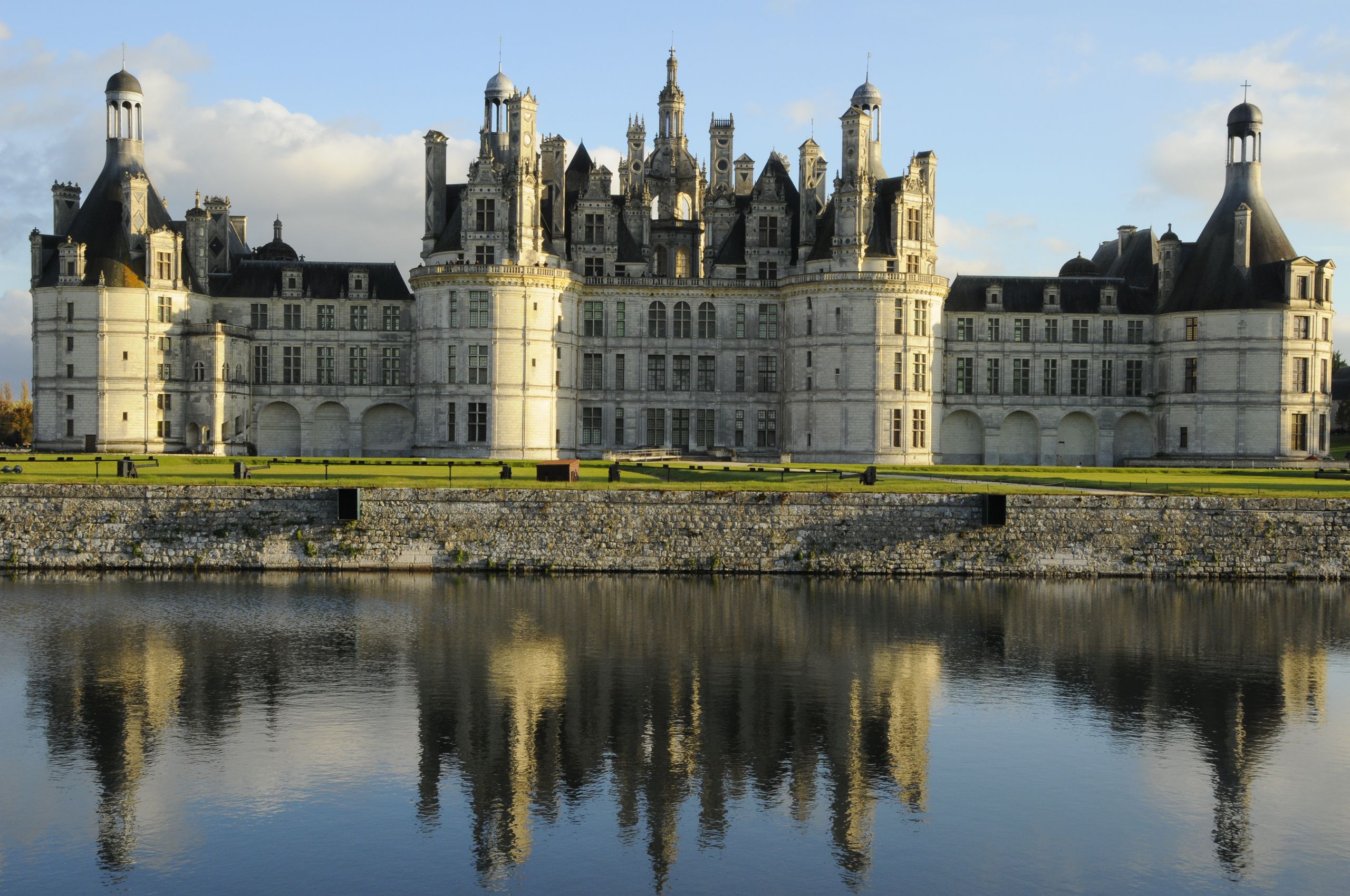
France shows the other side. All 71 French venues in our research that document whole-venue weekend hire are châteaux or country houses. In the market where the weekend model is most common of the five, it is built around properties that can be closed to everyone but the wedding party.
Rooms, or the Whole Weekend?
Same venues: sleeping capacity vs stated reception capacity
Median sleeping capacity and median stated reception capacity among venues that publish both figures. Guest counts; scale runs to 220.
- Median sleeping capacity
- Median stated reception capacity
- FranceAbout a third · 36 venues45135
- United KingdomAbout a quarter · 58 venues32.5140
- United StatesAbout a seventh · 33 venues34200
- WorldwideAbout a quarter · 209 venues36140
Even the whole venue rarely sleeps everyone
Booking the whole venue for the weekend does not mean the whole wedding stays there. Among venues that document whole-venue hire for a weekend or longer and state both figures, the typical venue sleeps around a quarter of its stated reception capacity.
| Market | Venues stating both figures | Median sleeping capacity | Median stated reception capacity | Typical share it sleeps |
|---|---|---|---|---|
| France | 36 | 45 | 135 | About a third |
| United Kingdom | 58 | 32.5 | 140 | About a quarter |
| United States | 33 | 34 | 200 | About a seventh |
| Worldwide | 209 | 36 | 140 | About a quarter |
Of the 209 such venues worldwide, 41 can sleep at least half their stated reception capacity. Three can sleep all of it. In the UK, none of the 58 can. So even at the venues most clearly built for a wedding weekend, most guests will be sleeping somewhere else.
That changes what “exclusive” means in practice. The couple and their closest family and friends get the house; everyone else needs a hotel, a taxi and a plan for Sunday morning.
Market by market
United States.The home of The Knot’s figure, and the market where accommodation is least often documented: 17.8% of the 1,696 US venues in our research document on-site rooms, and 4.9% (83) document whole-venue hire for a weekend or longer. The capacity difference is also the widest of the five. Among weekend venues stating both figures, the median venue sleeps 34 and seats 200 for the reception, and the typical venue sleeps about a seventh of its stated reception capacity. Only 2 of 33 can sleep everyone. At many of these venues, most reception guests would need to stay elsewhere.
United Kingdom. The largest number of weekend venues in the five: 117 of the 979 UK venues in our research (12.0%) document whole-venue hire for a weekend or longer, against 59.2% that document rooms. The type split is the clearest anywhere in our data, with country houses, estates and castles at 14.5% and hotels at 1.6%. Even so, the weekend venues are intimate: a median of 32.5 beds against 140 reception guests, and 11 of 58 can sleep at least half that number.
France. The leader. One in five French venues in our research (21.5%, or 71 of 330) document whole-venue hire for a weekend or longer, and 81.2% document rooms, the highest share on both measures among the five. Every one of the 71 is a château or country house. They also sleep the largest share of their guests: a median of 45 beds against 135 reception guests, about a third, with 9 of 36 sleeping at least half.
South Africa. Here the weekend venue looks different again. Of the 240 South African venues in our research, 7.5% (18) document whole-venue hire for a weekend or longer, against 57.9% that document rooms. These are farms, lodges and reserves as much as estates. Featherwood Farm sleeps 46 against a stated reception capacity of 150, and Netherwood Farm 20 against 240. Monate Game Lodge, which sleeps 84 against 120, is the only one of the ten South African weekend venues stating both figures that sleeps more than half its reception capacity.
Brazil. The starkest contrast between rooms and exclusivity. About half the Brazilian venues in our research (51.9%, or 182 of 351) document on-site accommodation, but only 2 document whole-venue hire for a weekend or longer (0.6%). For couples looking at Brazil, rooms are easy to find in writing; the weekend to yourselves is something to ask about directly.
What to ask before you book the weekend
How many does it sleep? Ask for the number of guests the venue can sleep, not the number of bedrooms, and set it against your guest list rather than the reception capacity. Across our research, the typical weekend venue sleeps about a quarter of the guests it can seat.
How many nights, exactly?“Weekend” can mean different things. Ask which nights are included, when you arrive, and when you must leave. Our figures count only venues whose own wording names two or more nights or a full weekend; a stay that ends the morning after the wedding is not the same thing.
Does exclusivity cover the whole stay? Some venues are exclusive for the wedding day but open to other guests the night before or after. Ask whether the whole property is yours for every night you are paying for, and whether that includes the grounds, the bar and the dining room.
Where does everyone else stay? Unless your wedding is small, some guests will stay elsewhere. Ask the venue which hotels or cottages it works with, whether it holds room blocks, and whether it arranges transport for the evening and the next morning.
Who runs the other events? If the weekend includes a welcome dinner or a farewell brunch, ask whether the venue caters them, whether they are in the price, and whether they can happen on site at all.
What couples are actually buying
When a couple books a venue for a wedding weekend, they may be buying one of three quite different things: a reception space with rooms nearby, a property with rooms where other guests also stay, or the whole place for two or more nights. The first two are widely documented. The third is documented by 3.4% of the venues in our research worldwide, and by 21.5% in France, the highest of the five markets examined.
None of this says couples are being underserved. It says the long wedding weekend is being assembled in more than one way, and that venues describe the parts very differently. Rooms are common; the whole venue for the weekend, in writing, is much less so; and even then, the venue usually sleeps about a quarter of the guests it can seat. Knowing which of the three a venue is offering is the first question to settle.