


Markets in this piece
Can the venue make it legal for two visiting foreigners? The answer in each of the 15 destination markets, with England as the home comparison, using the same categories as Visual 1.
- Legal ceremony at the venue
- Conditional: confirm locally
- Not for two visiting foreigners
Yes
Legal ceremony at the venue
Registrar-approved venue
Based on 36 venues we reviewed
No
Not for two visiting foreigners
Municipal registration only
Based on 544 venues we reviewed
No
Not for two visiting foreigners
Symbolic only
Based on 36 venues we reviewed
Confirm
Conditional: confirm locally
Home comparison: approved premises only
Based on 497 venues we reviewed


Yes
Legal ceremony at the venue
Civil Status Officer at hotel
Based on 41 venues we reviewed
Yes
Legal ceremony at the venue
Arranged via hotel
Based on 22 venues we reviewed
Yes
Legal ceremony at the venue
Marriage officer or minister
Based on 52 venues we reviewed
Yes
Legal ceremony at the venue
Minister or JP, venue of choice
Based on 40 venues we reviewed
Yes
Legal ceremony at the venue
Authorised officiant
Based on 37 venues we reviewed
Yes
Legal ceremony at the venue
Licensed solemniser (31-day rule)
Based on 48 venues we reviewed
Confirm
Conditional: confirm locally
Registrar's office unless special permission
Based on 63 venues we reviewed
Confirm
Conditional: confirm locally
Municipality; confirm locally
Based on 101 venues we reviewed
Confirm
Conditional: confirm locally
Court, or 'a domicilio'; confirm
Based on 40 venues we reviewed
Confirm
Conditional: confirm locally
Notary; confirm
Based on 51 venues we reviewed
No
Not for two visiting foreigners
Residence permit needed
Based on 40 venues we reviewed
No
Not for two visiting foreigners
Residence needed; commune office
Based on 45 venues we reviewed







Show all 16 marketsShow fewer markets
Yes
Legal ceremony at the venue
Marriage officer or minister
Based on 52 venues we reviewed
Yes
Legal ceremony at the venue
Minister or JP, venue of choice
Based on 40 venues we reviewed
Yes
Legal ceremony at the venue
Authorised officiant
Based on 37 venues we reviewed
Yes
Legal ceremony at the venue
Licensed solemniser (31-day rule)
Based on 48 venues we reviewed
Confirm
Conditional: confirm locally
Registrar's office unless special permission
Based on 63 venues we reviewed
Confirm
Conditional: confirm locally
Municipality; confirm locally
Based on 101 venues we reviewed
Confirm
Conditional: confirm locally
Court, or 'a domicilio'; confirm
Based on 40 venues we reviewed
Confirm
Conditional: confirm locally
Notary; confirm
Based on 51 venues we reviewed
No
Not for two visiting foreigners
Residence permit needed
Based on 40 venues we reviewed
No
Not for two visiting foreigners
Residence needed; commune office
Based on 45 venues we reviewed
Most couples planning a 2027 destination wedding start with the venue: the terrace, the beach, the view. The legal question tends to come later. It shouldn't. In some countries, the hotel can host a ceremony that makes you married. In others, it can only host the celebration, and the legal part happens at a town office, back home, or nowhere at all.
We checked the marriage rules for two visiting foreigners in 16 markets, using government and embassy sources. We then read what the venues themselves describe on their own pages. The two don't always line up. A venue advertising a wedding ceremony doesn't necessarily mean that ceremony is legally binding.
A wedding venue isn't necessarily a legal wedding venue
A legal ceremony needs three things. The place must be permitted. The officiant must have legal authority. And the couple must be eligible to marry there. Miss one, and the day may be lovely but not legal.
England shows how tight this can be. A civil ceremony must happen at a register office or a council-approved venue. Outdoor ceremonies are allowed only within the grounds of an approved venue, and the registrar must agree the spot first. The government's list of approved premises is a guide, but it tells you to check with the local council for the latest position. Abroad, Japan is the clearest example: the chapel is real, but the marriage happens at the ward office.
Married Where, Exactly?
Can the venue make it legal? Two visiting foreigners, 16 markets
Whether two visiting foreigners can complete a legal marriage at the venue, from official sources checked for the article.
| Malta | Legal ceremony at the venue |
|---|---|
| Mauritius | Legal ceremony at the venue |
| Seychelles | Legal ceremony at the venue |
| The Bahamas | Legal ceremony at the venue |
| Turks and Caicos | Legal ceremony at the venue |
| US Virgin Islands | Legal ceremony at the venue |
| Singapore | Legal ceremony at the venue |
| Sri Lanka | Conditional: confirm locally |
| Peru | Conditional: confirm locally |
| Panama | Conditional: confirm locally |
| Guatemala | Conditional: confirm locally |
| England (home) | Conditional: confirm locally |
| Lithuania | Not for two visiting foreigners |
| Vietnam | Not for two visiting foreigners |
| Japan | Not for two visiting foreigners |
| Maldives | Not for two visiting foreigners |
Legal ceremony at the venue
Two visiting foreigners can marry at the venue under the rules we checked.
- Malta
- Mauritius
- Seychelles
- The Bahamas
- Turks and Caicos
- US Virgin Islands
- Singapore
Conditional: confirm locally
A venue route may exist but depends on local rules or permissions.
- Sri Lanka
- Peru
- Panama
- Guatemala
- England (home)
Not for two visiting foreigners
No general civil route at the venue for two visitors in the sources we checked.
- Lithuania
- Vietnam
- Japan
- Maldives
Three places where the venue can't marry you
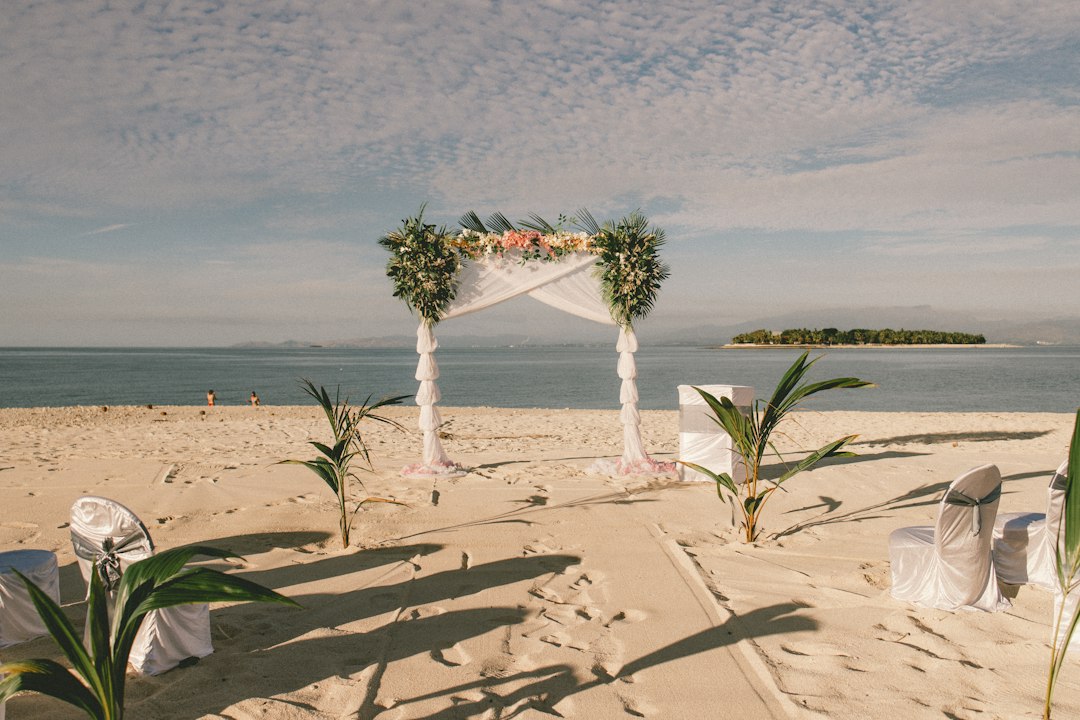
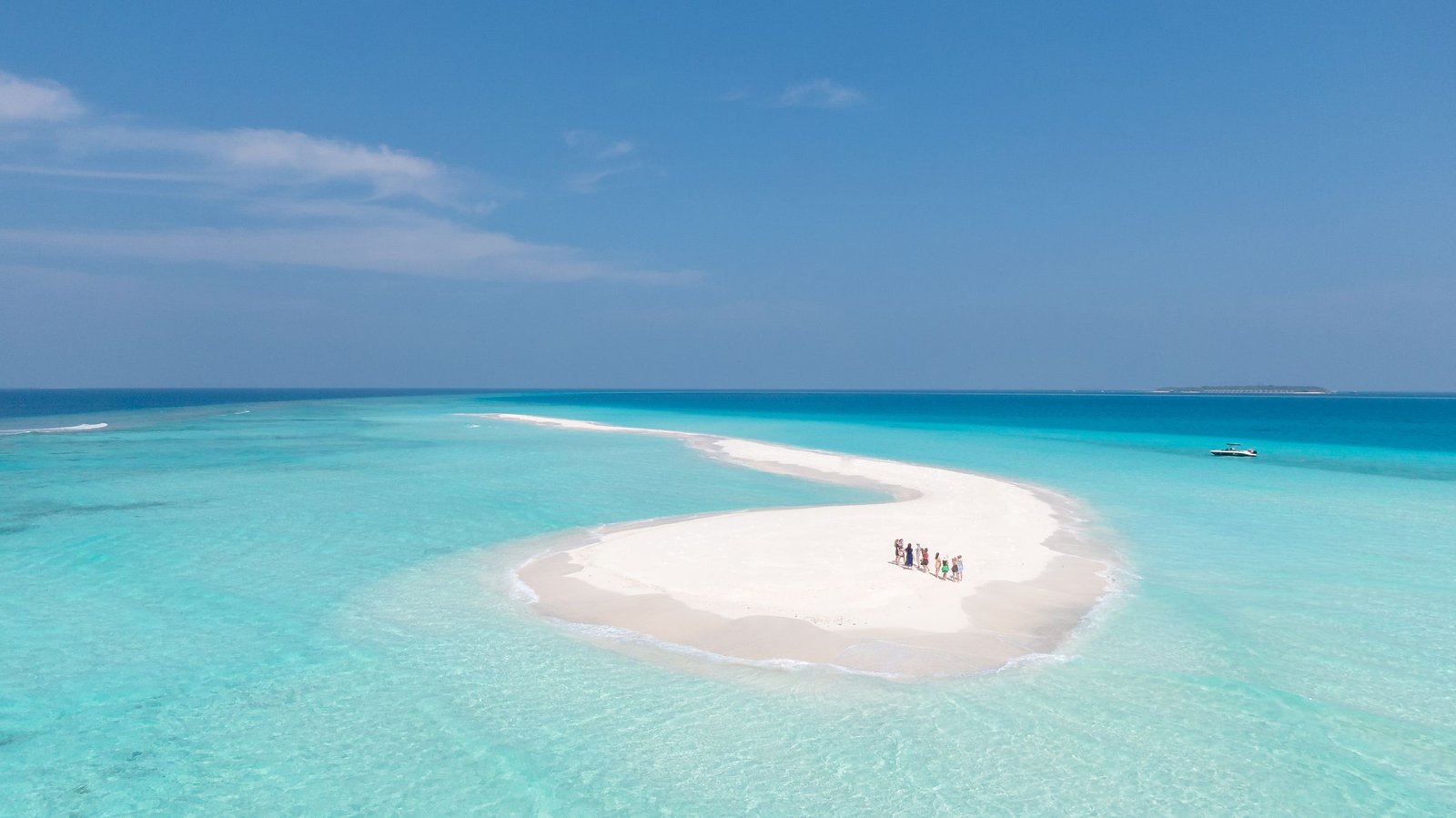
The Maldives. The Maldives government is clear. Visitors “cannot legally register their marriages in the Maldives”. Resorts can arrange “non-religious, purely ceremonial wedding events”. These are symbolic ceremonies. They can be beautiful, on a sandbank or a jetty, but you will need to marry legally somewhere else. At least 21 of the 36 Maldives venues we reviewed describe a ceremony setting on their own pages. In the Maldives, every one of those ceremonies is symbolic.
Japan.In Japan, a marriage is legal only when it's registered at a municipal or ward office. The US Embassy puts it plainly: ceremonies by religious bodies “are not recognized as legal marriages”. The paperwork is the marriage.
That creates a striking gap. In the Japan venues we reviewed, chapels far outnumber shrines as ceremony settings. Chapel weddings are a big part of the market. None of them is the legal act. Couples who want a Japanese chapel wedding should plan a ward-office visit as well, or marry at home first.
Set that against home. In England, an approved venue can host the legal marriage itself. In Japan, however many chapels a venue has, the legal part happens at the town hall.
Married Where, Exactly?
The Japan chapel paradox
In Japan, a chapel ceremony is symbolic; the legal step is filing the marriage registration at the municipal or ward office.
The chapel ceremony
Symbolic. A church or chapel service in Japan is not a legal marriage on its own.
The legal step
Filing the marriage registration at the municipal or ward office.
In the Japanese venues in our records, chapels far outnumber shrines as ceremony settings.
In Japan, the marriage is the paperwork at the ward office.
Vietnam. Since July 2025, marriages involving foreigners are registered at the commune-level People's Committee. Under Article 37(2) of the Law on Civil Status, two foreigners register where one of them resides in Vietnam. The law requires a residence connection to Vietnam, rather than simply allowing two tourists to arrive and marry. Couples visiting solely for a wedding should plan for a symbolic ceremony unless the local civil-status authority confirms they are eligible. Both partners must also attend the office in person. For couples without a qualifying residence connection, ceremonies at Vietnam venues should be treated as symbolic. Official rules set out a residence-based registration procedure, but we could not conclusively establish whether any category of short-term visitor can qualify.
One that may surprise you: Lithuania
Lithuaniais in the EU, so many couples assume it works like Malta. It doesn't. The government's Migration Info Centre says you can marry there “if at least one of the partners is a Lithuanian citizen or a foreigner with a residence permit”. Registration also happens “at least one month after submitting the application”. For two non-resident visitors, the standard civil marriage route is not available. At least 14 of the 40 Lithuanian venues we reviewed describe a ceremony. Those work for locals, residents, or as a celebration after a legal wedding at home.
Where the venue can make it legal
Six markets let a legally binding ceremony happen at your venue, with the right official present.
Malta. The registry says civil ceremonies can happen “at a venue of your choice”. The venue must be “public and accessible to everyone”, and the registrar must find it appropriate. Beach weddings are only possible on hotel-owned beaches. There's no residency rule. Documents go in at least six weeks before the wedding, and no earlier than three months. The registry recommends that overseas couples make contact around four months ahead, even though the formal paperwork window opens three months before the wedding. Of the 36 Malta venues we reviewed, at least 9 describe a ceremony.
Mauritius. For two non-residents, a Civil Status Officer can marry you “in the Office, marriage hall, hotels or in any private/non-private premises”. The application must reach the Central Civil Status Office at least one month ahead. After you arrive, there's a 24-hour publication. That faster procedure is specifically for two non-resident foreigners. Different rules apply to couples who live in Mauritius. At least 19 of the 41 Mauritius venues we reviewed describe a ceremony.
Seychelles. Banns are published for 11 days before the wedding. Couples can arrange the ceremony through a hotel or travel agent, and the government charges a separate fee when both partners are foreign. A special marriage licence can waive the 11-day wait; the government says it is normally issued within two days and costs SCR 500. At least 10 of the 22 Seychelles venues we reviewed describe a ceremony.
The Bahamas. Non-Bahamians must prove they have been in the country at least 24 hours before applying for a licence. Both partners apply in person. The government says the licence can be issued “the same day or next day”, and it's valid for three months. A licensed marriage officer or minister performs the ceremony. At least 17 of the 52 Bahamas venues we reviewed describe a ceremony.
Turks and Caicos. One of you must be in the islands for 48 hours before a standard licence application. A minister or justice of the peace can then marry you at a venue of your choice, including a resort or a beach. At least 28 of the 40 Turks and Caicos venues we reviewed describe a ceremony, the highest share in this group.
US Virgin Islands. There's no residency requirement. Applications are posted at the Superior Court for eight days before a licence is issued. A judge can marry you at the court, or another authorised officiant can marry you elsewhere. At least 18 of the 37 US Virgin Islands venues we reviewed describe a ceremony.
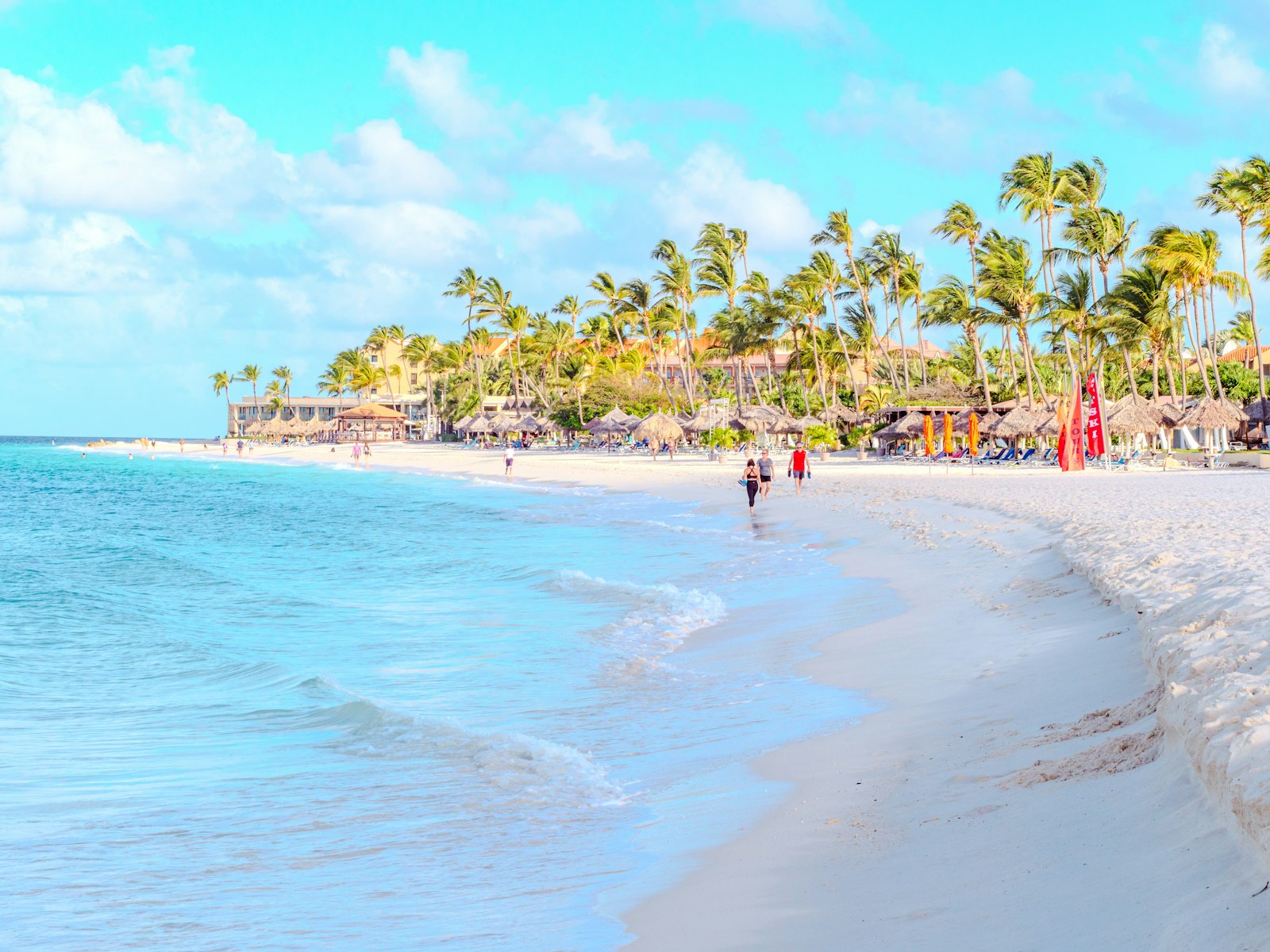
On the islands, the ceremony is usually on the sand. Among island venues whose own pages describe a ceremony, at least 68 of 111 describe it on a beach or sandbank. In the Maldives that's 17 of 21, and every one of those beach ceremonies is symbolic.
Married Where, Exactly?
On the sand: island venues that describe a beach or sandbank ceremony
Of venues whose pages describe a ceremony, share that describe a beach or sandbank ceremony.
- Beach or sandbank ceremony
- Other described ceremony
| Group | Beach or sandbank ceremony | Other described ceremony |
|---|---|---|
| Maldives · all symbolic | 17 | 4 |
| US Virgin Islands | 12 | 6 |
| Turks and Caicos | 14 | 14 |
| The Bahamas | 10 | 7 |
| Mauritius | 9 | 8 |
| Seychelles | 6 | 4 |
- Maldives · all symbolic17 of 21174
- US Virgin Islands12 of 18126
- Turks and Caicos14 of 281414
- The Bahamas10 of 17107
- Mauritius9 of 1798
- Seychelles6 of 1064
Singapore: the venue works, the calendar is the catch
Singaporeallows a legal ceremony at your chosen venue, conducted by a licensed solemniser. The catch is the clock. If you're both foreigners, at least one of you must have spent 31 continuous days in Singapore before applying, excluding the arrival day. That can be a single past visit, which helps couples who once lived there. Then there's a 21-day notice period.
The hidden cost of making it legal
Moving the legal ceremony to your venue can carry its own government charges. In Mauritius, a civil wedding at the Civil Status Office costs nothing. At a hotel or private venue, it costs Rs 5,000, paid to the Central Civil Status Office. You may also need to provide the officer's transport there and back. You'll need two witnesses either way.
In Seychelles, two foreigners pay SCR 3,000 for a wedding outside the office on Mahé, Praslin or La Digue. On other islands, it's SCR 4,000, plus the officer's transport, accommodation and meals.
These are government charges, not the full cost of a legal ceremony. Planner and venue fees come on top. Ask your venue to itemise the legal fee separately.
The in-between markets
Sri Lanka. Marriages are registered at the registrar's office unless you get special permission for another place. If neither of you lives there, one of you must have been in the country for four days before giving notice. Then 14 days must pass, unless you get a special licence. The High Commission also lists a security clearance and a health declaration. At least 5 of the 63 Sri Lanka venues we reviewed describe a ceremony, a low number, so ask early.
Peru, Guatemala and Panama. Civil marriages here run through municipalities, notaries or courts. Peru's government page asks both partners for a sworn statement of address, and the notice is posted for eight days. Panama's courts can hold the ceremony “a domicilio” outside office hours, and foreigners must be legally in the country, with a prenuptial health certificate. Guatemala allows marriage before an authorised notary. The rules for two visitors vary by office, so treat all three as “confirm locally”. Minimum ceremony mentions: Peru 16 of 101, Panama 7 of 40, Guatemala 5 of 51.
Will your overseas marriage count back home?
For UK couples, the government sets two conditions. A marriage abroad is recognised in the UK if it was lawful where it took place and would be allowed under UK law. For a marriage conducted under foreign law, the marriage is not normally registered again in the UK, and the official certificate comes from the overseas authority. Your official record is the certificate issued by the local authorities. The government suggests getting it translated if you plan to use it elsewhere. A keepsake certificate from a resort is not that record. Couples from other countries should check with their own government, because the rules differ.
The paperwork clock
The legal timeline can shape your travel dates as much as the venue does. It runs in two phases.
Before you travel
- UK couples: many countries ask for proof you're free to marry, such as a certificate of no impediment or a marital status affirmation. You may also need an apostille or a certified translation.
- Malta: documents at least six weeks ahead, and no earlier than three months.
- Mauritius: apply at least a month ahead, and send documents 6–8 weeks before. Birth certificates must have been issued within the last 3 months.
- Singapore: one of you needs 31 continuous days in the country, not counting arrival day. It can be a past visit.
- Lithuania: at least one month, but only with residence.
After you arrive
- The Bahamas: 24 hours in the country before applying.
- Turks and Caicos: 48 hours in the country before applying.
- Mauritius: a 24-hour publication.
- Sri Lanka: 4 days' presence, then 14 days after notice.
- US Virgin Islands: 8 days of public posting.
- Seychelles: 11 days of banns, unless you get a special licence.
- Singapore: 21 days' notice after applying.
Married Where, Exactly?
The paperwork clock: before you travel, and after you arrive
Waiting periods and document lead times for markets where a venue route exists for two visiting foreigners.
- Before you travel
- After you arrive: in the country before applying
- After you arrive: notice or posting
The Bahamas
1 day in the country
Licence same or next day
Turks and Caicos
2 days in the country
Processing time not stated
Mauritius
Apply 30+ days ahead; documents 6–8 weeks ahead; birth certificates issued within 3 months
1 day notice
US Virgin Islands
8 days notice
Seychelles
11 days notice
Special licence: about 2 days, SCR 500
Sri Lanka
4 days in the country + 14 days notice
A special licence can shorten this
Singapore
31 continuous days in Singapore, not counting arrival day (can be a past visit)
21 days notice
Malta
Documents at least 6 weeks and no more than 3 months ahead
No waiting period after arrival stated
England (home)
7 days in the country + 29 days notice
7 days' residence in the district; most foreign couples need a Marriage Visitor visa
Lithuania
At least one month
No waiting period after arrival stated
Residence permit required
How this compares with England
For couples from the UK, home is the useful benchmark. In England and Wales, a civil ceremony must happen at a register office or a venue approved by the local council. You give notice at least 29 days before, after living in your registration district for 7 days. The government consulted on reform from 16 July to 24 September 2026. It proposes moving from a system based on approved buildings to one based on the officiant. That would make England look more like Malta or Mauritius. It is a proposal, not law. Foreign couples who want to marry in the UK, and won't live here afterwards, usually need a Marriage Visitor visa before they travel. We looked at what it could mean in Beyond the Licensed Venue.
Across the 497 English venues we reviewed, at least 352 describe a ceremony. Most of the destination markets above sit well below that share. That's partly because many resort pages focus on the party and the views. A ceremony may still be possible.
Married Where, Exactly?
Venues that describe a ceremony setting: advertised settings, not legal capability
Share of venues reviewed whose own pages describe a ceremony setting. Colours follow legal-at-venue status.
- Legal ceremony at the venue
- Conditional: confirm locally
- Not for two visiting foreigners
- England (home)352 of 49771%
- Turks and Caicos28 of 4070%
- Maldives21 of 3658%
- Seychelles10 of 22
- US Virgin Islands18 of 3749%
- Mauritius19 of 4146%
- Lithuania14 of 4035%
- The Bahamas17 of 5233%
- Malta9 of 3625%
- Panama7 of 4018%
- Peru16 of 10116%
- Guatemala5 of 5110%
- Sri Lanka5 of 638%
At home, ceremonies move outdoors too, but onto lawns rather than sand. At least 208 of the English venues whose pages describe a ceremony mention a garden, lawn, grounds or other outdoor setting for it. In England, an outdoor civil ceremony still has to take place within an approved venue's grounds.
Married Where, Exactly?
Home vs away: where the described ceremony happens
Of venues whose pages describe a ceremony and whose description we could classify.
England
208 of 350
garden, lawn, grounds or other outdoor setting
Six island markets
68 of 111
beach or sandbank
What about same-sex destination weddings?
Legal eligibility also differs by couple. Malta and England and Wales allow same-sex marriage, while Lithuania does not. Official sources say the same of Singapore and Japan. For Mauritius, UK and US government guidance says same-sex marriage isn't permitted, though we found no explicit ban in Mauritian legislation itself. Before booking elsewhere, check whether the destination's marriage law permits your marriage and whether the resort is offering a legal or symbolic ceremony. The UK government warns that you may not be able to marry abroad if same-sex marriage isn't recognised in that country. A symbolic ceremony may still be possible, but it won't create a legal marriage. Confirm the position with the civil registry, and check your government's travel advice for the country.
The symbolic option is often the smart one
Many couples now marry legally at home, quickly and quietly, and then hold the ceremony that matters to them abroad. In the Maldives, Japan and Vietnam, that's the only realistic route for most visitors. Elsewhere, it removes the residency clocks, translations and apostilles from your planning. It also frees the venue from legal rules about where and when the ceremony can happen. For island resorts, our look at Who Else Is at the Resort? covers the practical side.
What to ask your venue
- Is a ceremony here legally binding for two visiting foreigners, or symbolic only?
- Who officiates the legal ceremony, and who books them?
- Does the ceremony space need approval from the registrar or council?
- How many days must we be in the country before applying, and how long is the notice?
- Which documents need apostilles or certified translations?
- Is there a separate ceremony space, or does the dining room need resetting?
- What is the wet-weather plan for an outdoor ceremony?
- If it's symbolic, do you issue a certificate, and what does it say?
Check before you book.Marriage rules change, sometimes quickly. Vietnam changed its registration system in July 2025, while England is considering reforms following a consultation that closed in September 2026. Vietnam's new Civil Status Law takes effect on 1 March 2027. Confirm the current rules with the country's civil registry or your embassy before you pay a deposit. Facts in this article were last checked on 20 October 2026.